4 hr
Salish Sea Whale Watching Expedition
- Entry ticket
- Mobile voucher
- Valid same day
- Free cancellation
Seattle Orca Watching Tour — Salish Sea Expeditions
Resident pods in the San Juan Channel, naturalist guides at every departure
Compare fares, pick the fit — all bookings are mobile-voucher and eligible for free cancellation where shown.
4 hr
3 hr 30 min
1 hr
Selecting the right seattle orca watching tour depends on your preference for deck access and cabin comfort as you explore the Salish Sea. Whether you prioritize panoramic views or budget-friendly options, choosing the best seattle orca watching tour tickets ensures a smooth departure from Pier 69.
| Economy Standard Lower Deck |
Top pick Vista Standard Upper Deck |
Comfort Private Cabin | |
|---|---|---|---|
| Viewing Access | Main deck windows | Elevated panoramic views | Front-facing cabin views |
| Access Method | Walk-on | Stairs | Stairs |
| Seating Area | Indoor lower cabin | Indoor upper cabin | Private forward cabin |
| Inclusions | Naturalist commentary | Naturalist commentary, drinks | Naturalist commentary, perks |
| Best for | Budget-conscious travelers | First-time sightseers | Premium experience seekers |
| See tickets & prices |
Verdict: For the best balance of value and scenery on your seattle orca watching tour tour, the Vista class provides the most recommended vantage point for viewing marine wildlife.
Worth it if you accept uncertainty
A seattle orca watching tour in the Salish Sea costs between $89 and $159 depending on departure point and vessel type, with most expeditions running three to four hours. What you're paying for is access to prime orca habitat during peak season—the Southern Resident pods frequent these waters May through September—but sightings are never guaranteed. The Salish Sea Whale Watching Expedition and Orcas Island speedboat options offer the highest encounter probability, departing from locations closer to known feeding grounds near the San Juan Islands. You'll also see harbor seals, bald eagles, and occasionally humpback whales, so the trip delivers marine wildlife regardless. The value equation hinges on your expectations: if you need a guaranteed orca sighting, this isn't it. If you're content with wild orcas in their natural environment and accept that nature operates on its own schedule, the seattle orca watching tour tickets represent fair value for a half-day on the water with expert naturalist guides who know these resident pods by name.
Bottom line: The seattle orca watching tour tours deliver solid marine wildlife value if you treat orca encounters as a bonus, not a promise.
They complement each other; most visitors who do both call the San Juan Islands departure the more thrilling for nature immersion while the seattle orca watching tour offers superior urban accessibility. Choosing between these seattle orca watching tour tours depends on whether you prioritize minimizing transit or maximizing time in prime marine habitats.
|
Top pick Seattle Departure |
San Juan Islands Departure | |
|---|---|---|
| Departure Convenience | Pier 69 city center | Requires travel to islands |
| Transit Time | 0 minutes to departure | 2-3 hours from Seattle |
| Orca Sighting Probability | Lower to moderate | High frequency |
| Vessel Type | Large passenger vessels | Zodiacs or mid-sized boats |
| Departure Flexibility | High frequency daily | Scheduled ferry dependent |
| See tickets & prices |
Verdict: Opt for a San Juan Islands-based excursion if you seek the highest frequency of apex predator encounters, or secure seattle orca watching tour tickets if you prefer to integrate marine wildlife viewing into your downtown itinerary.
Hand-picked experiences loved by thousands of travelers
2 hours
Free Cancellation
Explore Pacific Northwest marine ecosystems with a local expert at Seattle's premier aquarium
3.5 hours
Free Cancellation
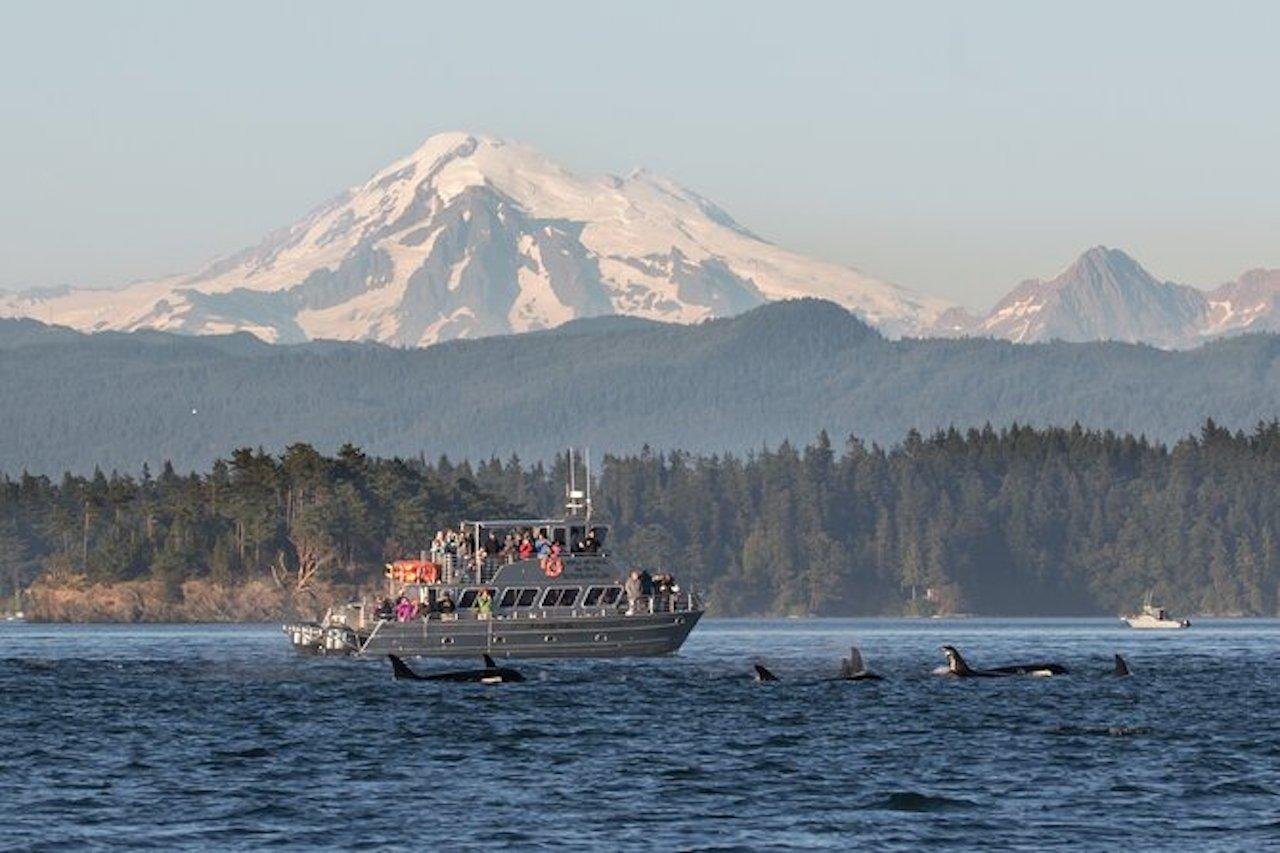
High-speed marine safari seeking orcas, humpbacks, and gray whales with expert naturalist commentary
2 hours
Free Cancellation
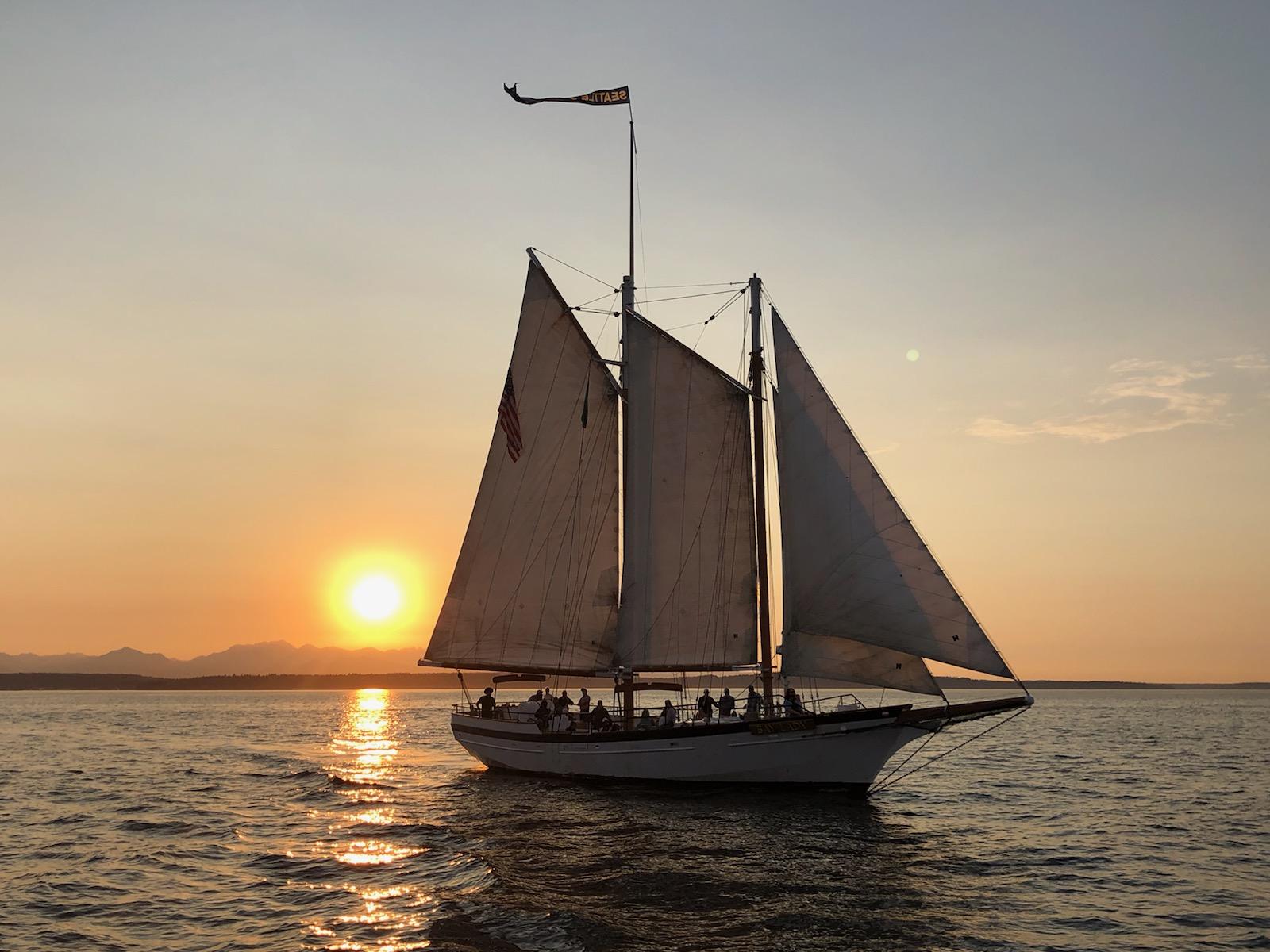
Glide across Puget Sound aboard a classic schooner as daylight fades over the Olympic peaks
1.5 hours
Free Cancellation
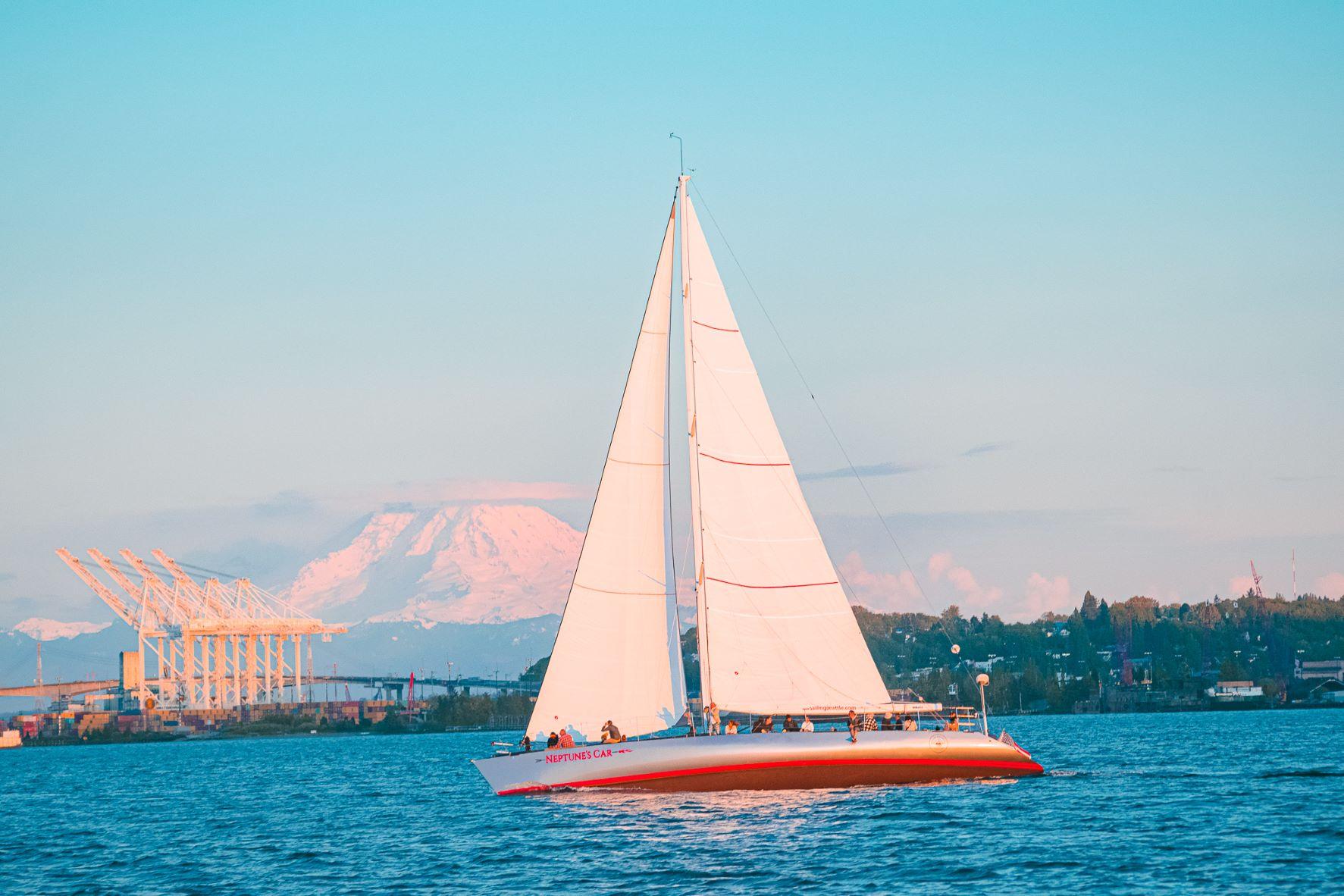
Glide across Elliott Bay on a classic racing yacht with stunning skyline and mountain panoramas
2 hours
Free Cancellation
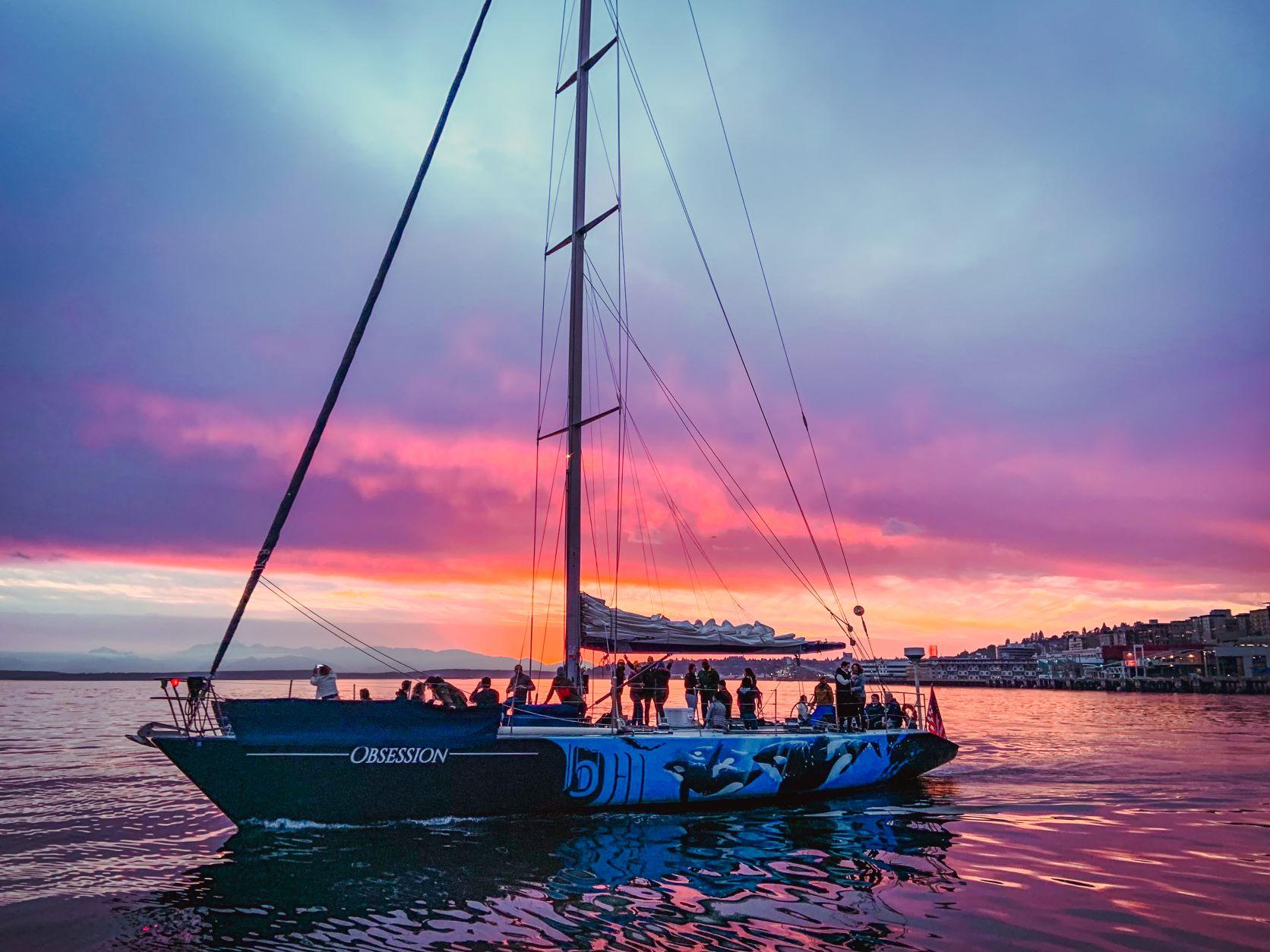
Sail Elliott Bay aboard a classic racing yacht as the sun sets behind the Olympic Mountains
2.5 hours
Free Cancellation
Savor a three-course plated meal while cruising Seattle's scenic lakes aboard a luxury yacht
1.5 hours
Free Cancellation
Glide across Puget Sound during golden hour on this tranquil 90-minute waterfront voyage
Cruise the nutrient-rich waters that host orcas, humpbacks, and porpoises all year.
Expert guides provide real-time education on marine ecology and ongoing whale conservation efforts.
Experience the gateway to downtown Seattle, conveniently located near major city landmarks.
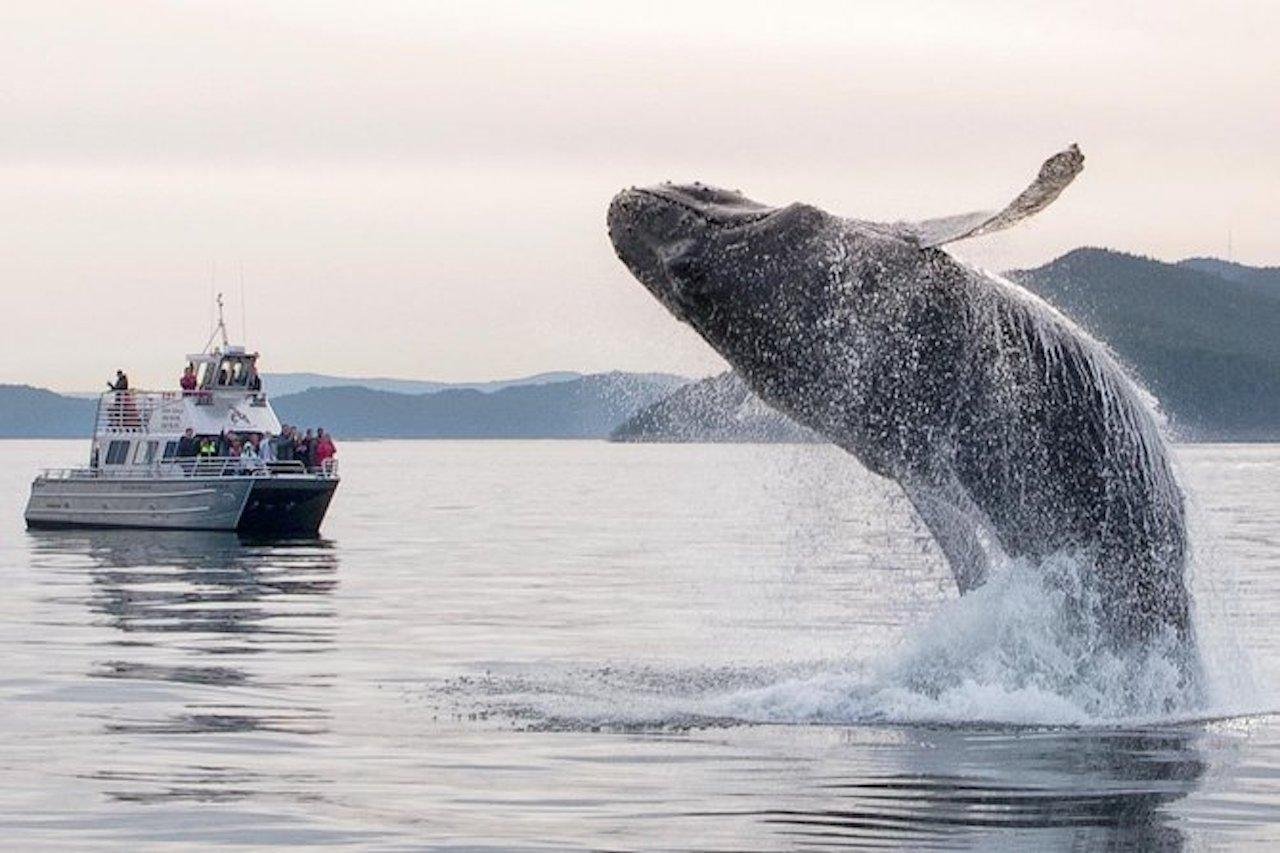
Observe diverse species including gray whales in spring and humpbacks in late summer.
Vessels offer flexible viewing areas designed for comfort in the Pacific Northwest climate.
You board at Pier 69 thirty minutes before departure, passing through a small museum of whale vertebrae and baleen samples mounted on the waiting-room wall.
The naturalist introduces herself as the vessel clears the breakwater, handing out rain jackets and pointing toward the Olympic Mountains framed against the western horizon. Engine noise drops to idle as you pass the first navigation buoy.
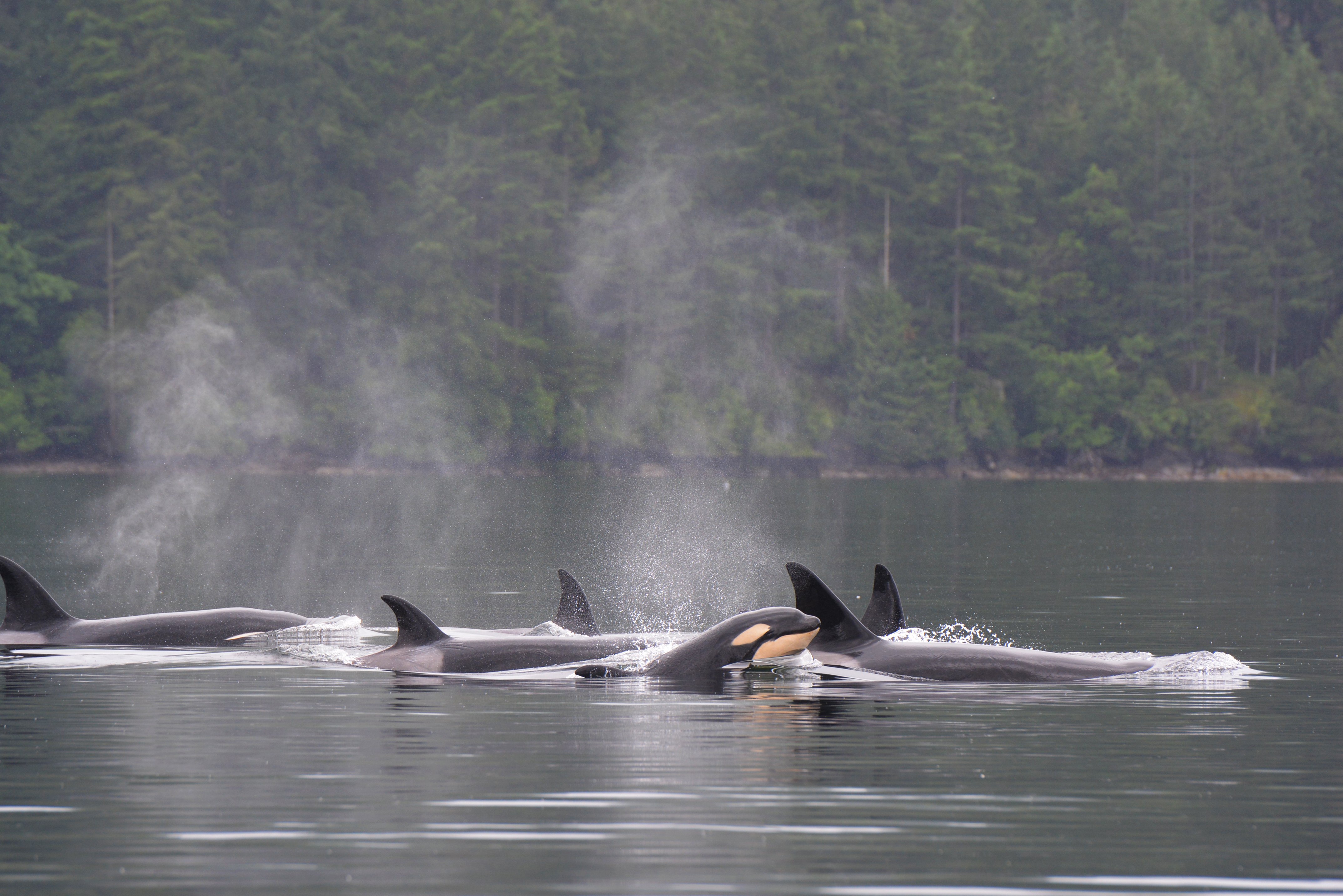
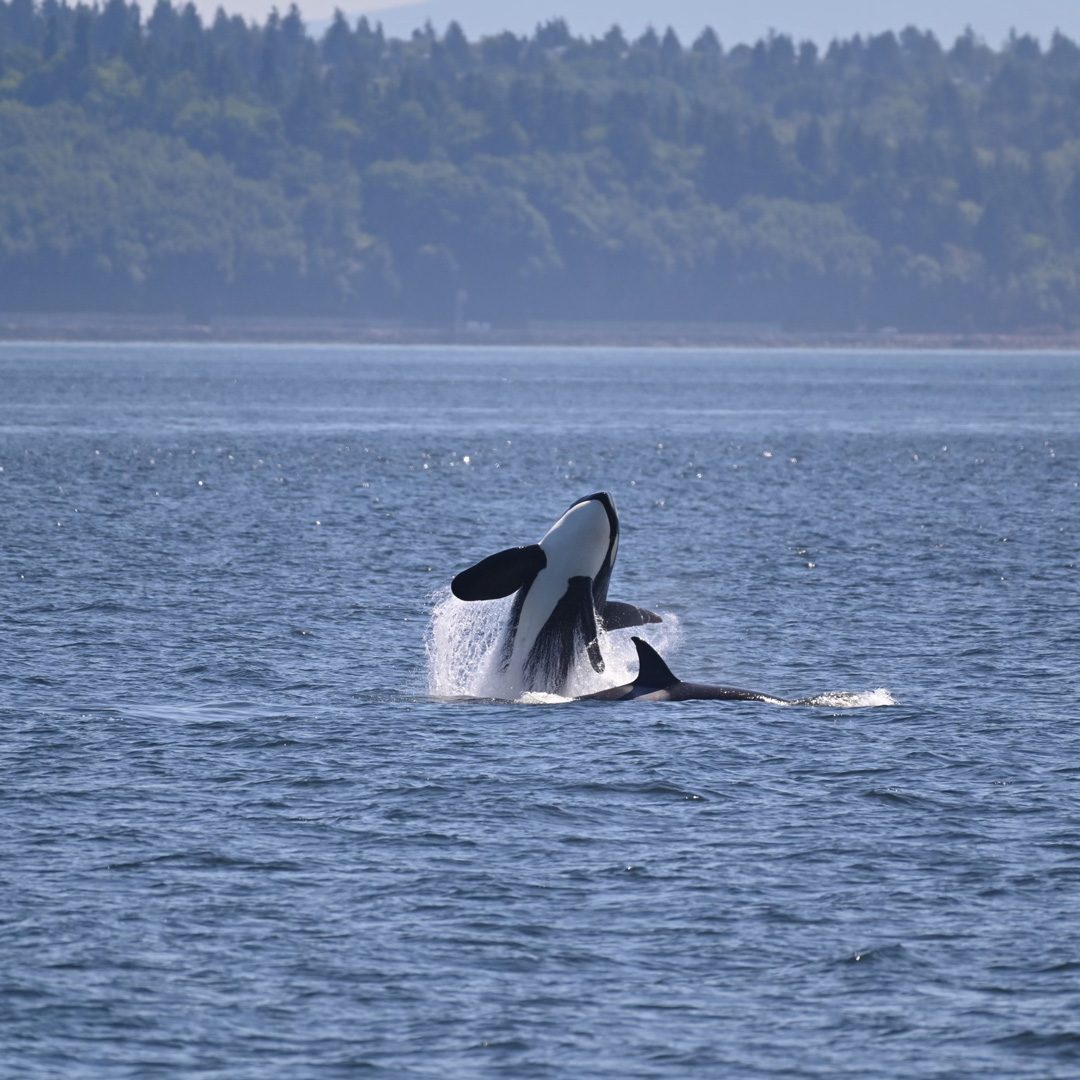
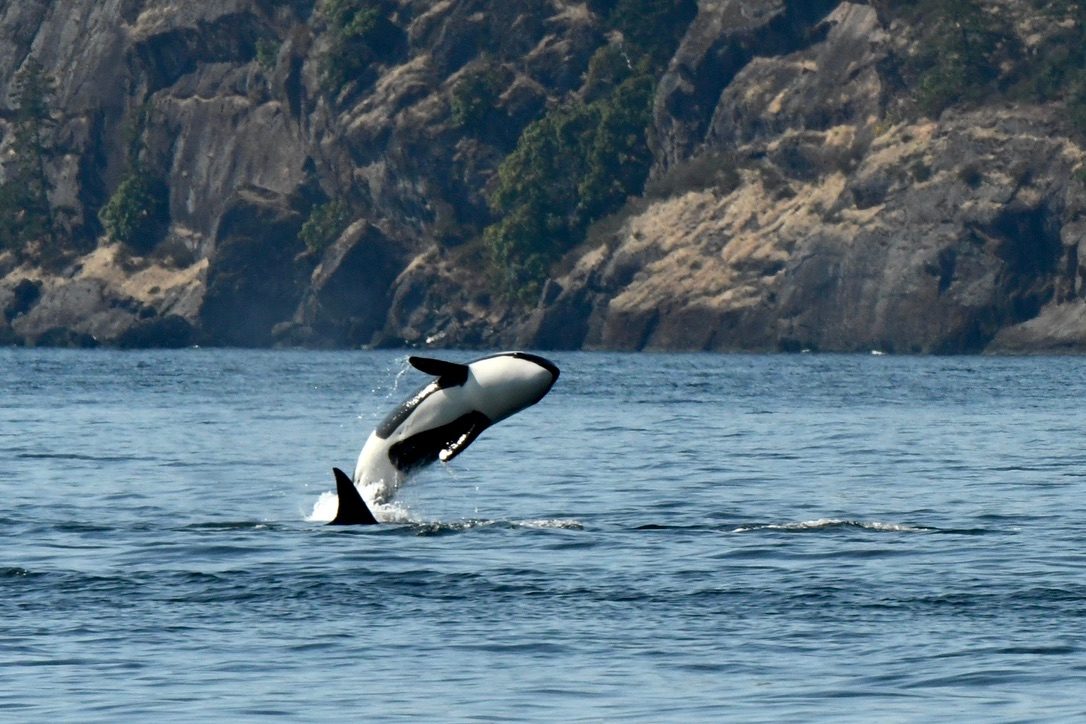
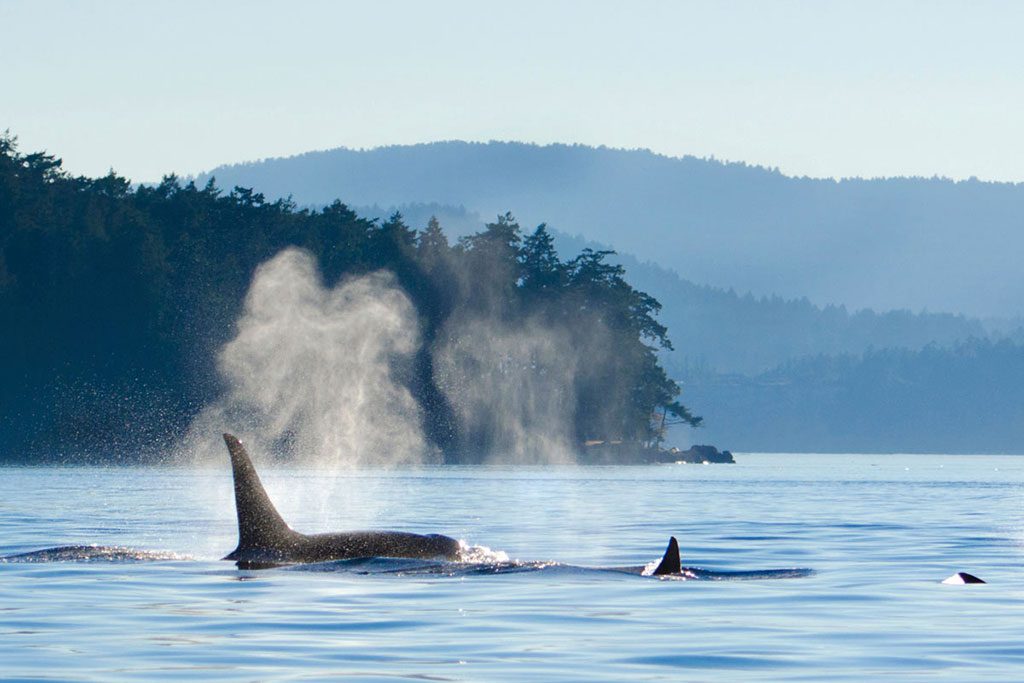
The captain cuts northwest through Admiralty Inlet, scanning the radio for reports from other vessels. Forty minutes out, a dorsal fin breaks the surface two hundred metres off the starboard bow — the naturalist identifies J-pod's matriarch by her notched fin and calls the sighting into the network. You count five animals surfacing in sequence, their blows audible across flat water. The naturalist lowers a hydrophone and patches the feed through deck speakers: sharp clicks and rising whistles, overlapping in patterns she decodes as contact calls between mothers and calves.
The pod moves south at five knots, surfacing every three minutes. You track them for twenty minutes before the captain restarts engines and turns back toward Seattle. On the return crossing, harbour seals haul out on marker buoys, and a bald eagle lifts a salmon carcass from the shallows near Possession Point. You dock at 13:00, the naturalist distributing data sheets for citizen science reports filed with the Whale Museum.
All the details about your upcoming adventure in one place
Three distinct orca pods — designated J, K, and L by marine biologists — return to the Salish Sea between May and October, following Chinook salmon runs that have defined these waters for millennia.
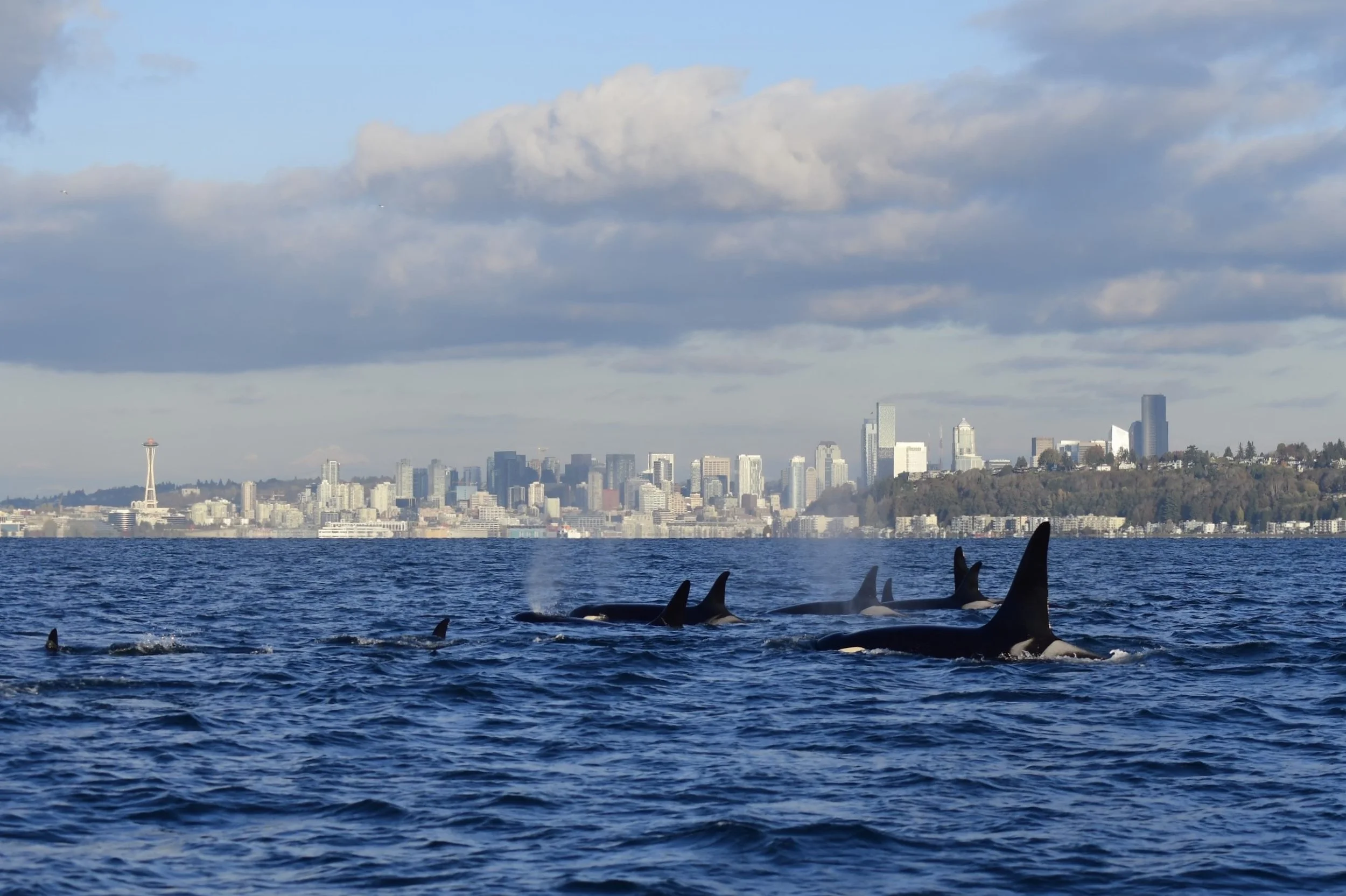
The southern resident population numbers fewer than seventy-five individuals, each catalogued by dorsal fin notches and saddle-patch patterns. Naturalists aboard Seattle orca watching tour vessels carry photo identification guides updated monthly by the Center for Whale Research, allowing real-time recognition of family groups as they surface in the shipping lanes west of the San Juan Islands.
The Salish Sea spans eighteen thousand square kilometres, from Puget Sound north through the Strait of Georgia to Johnstone Strait. Its name, adopted in 2009, honours the Coast Salish peoples who have tracked these waters for eight thousand years. Orcas here are fish specialists, unlike their transient cousins who hunt seals and sea lions along the outer coast. The resident pods communicate through distinct dialects — call patterns inherited matrilineally and unchanged across generations. Hydrophones lowered from tour vessels capture their echolocation clicks and social calls, frequencies that carry fifteen kilometres through cold water.
Whale watching regulations enacted in 2011 and strengthened in 2021 mandate four-hundred-metre approach distances for all commercial vessels. Captains cut engines when orcas surface within observation range, allowing the animals to dictate encounter duration. The Pacific Whale Watch Association, a coalition of operators adhering to voluntary guidelines stricter than federal law, has logged sighting data since 2002. Their records show peak activity occurs between 09:00 and 14:00, when flood tides push baitfish through narrow channels. Morning light angles low across the water, illuminating vapour from exhaled breaths — the telltale blow that precedes a dorsal fin's rise.
Departures from Pier 69 follow the same route commercial fishermen have run for a century: northwest past Elliott Bay, through Admiralty Inlet, and into the open strait. Haro Strait and Boundary Pass form the core feeding grounds, where undersea topography funnels salmon into predictable corridors. Transient orcas and humpback whales share these waters, along with Dall's porpoises, harbour seals, and bald eagles that trail fishing boats. Naturalists carry field scopes, marine mammal guides, and laminated maps marking seasonal hotspots. They narrate encounters without hyperbole, grounding each sighting in population biology and the salmon-dependent ecology that makes this coastline a critical habitat.

Three distinct orca pods return to the Salish Sea between May and October, following Chinook salmon runs that have defined these waters for millennia.
Wear warm, layered clothing and windproof jackets as temperatures on the Salish Sea can be significantly cooler than on land. Sturdy, non-slip footwear is recommended for navigating boat decks.
Small daypacks are permitted, but space is limited. All bags must be kept with you at all times during your seattle orca watching tour.
Photography is encouraged; bring a camera with a zoom lens to capture wildlife from a distance. Respect the pacific whale watch association guidelines by not using drones.
Families are welcome, though children should be supervised at all times on deck. Life jackets for all ages are provided and mandated by safety protocols.
While many vessels at Pier 69 can accommodate guests, some offer limited access for those with mobility aids. Contact the operator in advance to confirm suitability for your seattle orca watching tour.
Locally sourced food and beverages are available for purchase onboard. Personal water bottles are allowed during your seattle orca watching tour.
Operating Hours
09:00–17:00 daily
Address
Pier 69, 2701 Alaskan Way, Seattle, WA 98121
Accessibility
Vessel-dependent; contact operator for mobility needs
Best arrival
09:00–10:00 for morning whale watching lighting
Storage
Not available onboard; use nearby pier storage
Getting there
Walking distance from Pike Place Market
Public transport · 45 min · 3.00 USD
Use Link light rail to downtown; walk to Pier 69
Car · 20 min · Varies by garage
Park at public garages near Alaskan Way
Full refund available for cancellations made within the operator's specified timeframe. Please note that the entrance fee is 0 USD, while whale watching tours require separate tickets.
Recommended time
4-5 hours
A typical seattle orca watching tour lasts approximately four hours, allowing sufficient time for transit to the Salish Sea and marine wildlife observation. We recommend the 09:00–10:00 arrival window because morning departures allow for better lighting and calm seas for wildlife spotting. Please note that while pier access is free, you will need to secure seattle orca watching tour tickets in advance to ensure your spot on the vessel. When planning your seattle orca watching tour tours, consider allocating extra time for check-in procedures at Pier 69 before your vessel departs.
Crowd levels through the day
Weather · crowds · average price — dots go green to amber to red as each metric rises.
Gray whale migration brings 'Sounders' to local waters in March and April.
Peak season for orca and humpback sightings with warm weather and long days.
Excellent for observing humpback whale behavior and lunge-feeding in cooler temperatures.
Most whale watching tours are limited or suspended due to unpredictable Salish Sea conditions.
Secure your seattle orca watching tour tickets early to guarantee availability during summer months.
Plan for a 09:00–10:00 arrival to catch calmest seas and best light for photography.
Visit the official site for real-time updates from the Pacific Whale Watch Association.
Enhance your viewing experience during the seattle orca watching tour with personal optics.
Even on warm days, the wind on the water makes temperatures feel much colder.
The Salish Sea sustained Coast Salish peoples for millennia before European contact, with orcas woven into spiritual practice and oral tradition. The Southern Resident killer whales—today's J, K, and L pods—traveled predictable migration routes that Indigenous communities observed and honored. Commercial seattle orca watching tour operations did not emerge until the late 1970s, when marine biologists began studying the region's orca populations in earnest. Dr. Michael Bigg's 1973 photo-identification census revealed that Salish Sea orcas were not migratory transients but distinct resident communities, each whale recognizable by dorsal fin shape and saddle patch patterns. Seattle's first dedicated whale watching vessels launched in 1982, departing from piers along Alaskan Way. Early tours faced no regulatory framework. Boats crowded pods, engines disrupted echolocation, and close approaches stressed nursing mothers. By 1991, Washington State imposed the first distance restrictions—100 yards became the legal minimum. The industry grew through the 1990s as Seattle's tourism economy expanded, but Southern Resident populations declined. In 2005, the National Marine Fisheries Service listed the Southern Residents as endangered under the ESA, citing vessel traffic, salmon depletion, and toxic contaminants. Operators formed the Pacific Whale Watch Association in 2002, adopting voluntary guidelines stricter than federal law. Member vessels now maintain 300-yard distances, limit engine noise near pods, and report sightings to researchers. The 2011 "Be Whale Wise" campaign standardized protocols across the Salish Sea. Today's seattle orca watching tour tickets fund research partnerships and habitat restoration. Onboard naturalists educate passengers about Chinook salmon recovery and noise pollution mitigation. The industry that once threatened these whales now finances their survival, though the Southern Residents number fewer than eighty individuals as of 2026.
Coast Salish peoples observe seasonal orca migrations through traditional territories.
Dr. Michael Bigg's photo-identification study reveals Southern Resident killer whales as distinct resident pods.
Seattle's first commercial whale watching tours depart from downtown piers.
Washington State enacts 100-yard minimum distance regulations for vessels near orcas.
Pacific Whale Watch Association forms to establish voluntary conservation standards.
Southern Resident killer whales listed as endangered under the Endangered Species Act.
"Be Whale Wise" guidelines adopted across Salish Sea whale watching operators.
Operators fund Chinook salmon restoration and acoustic research to support orca recovery.
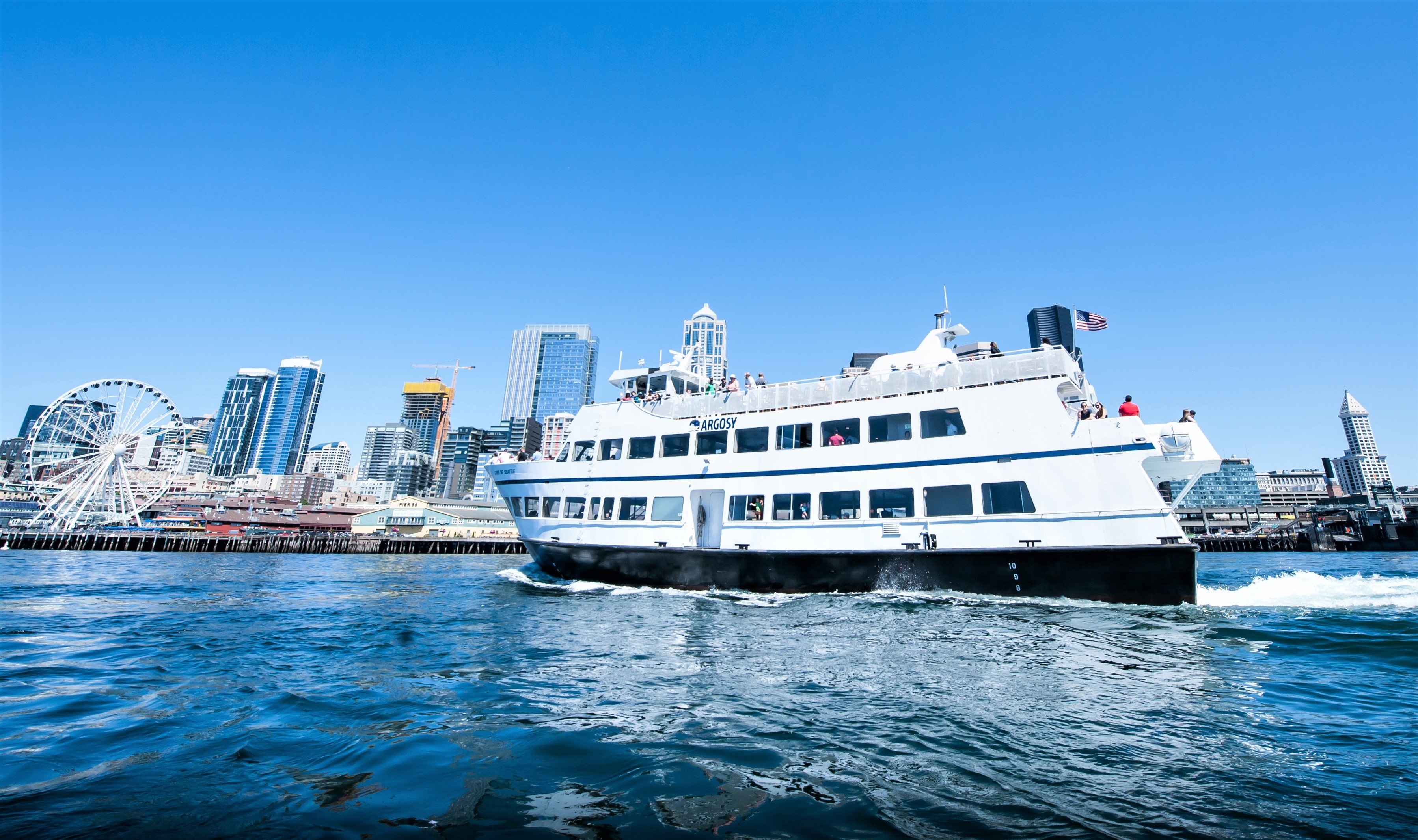
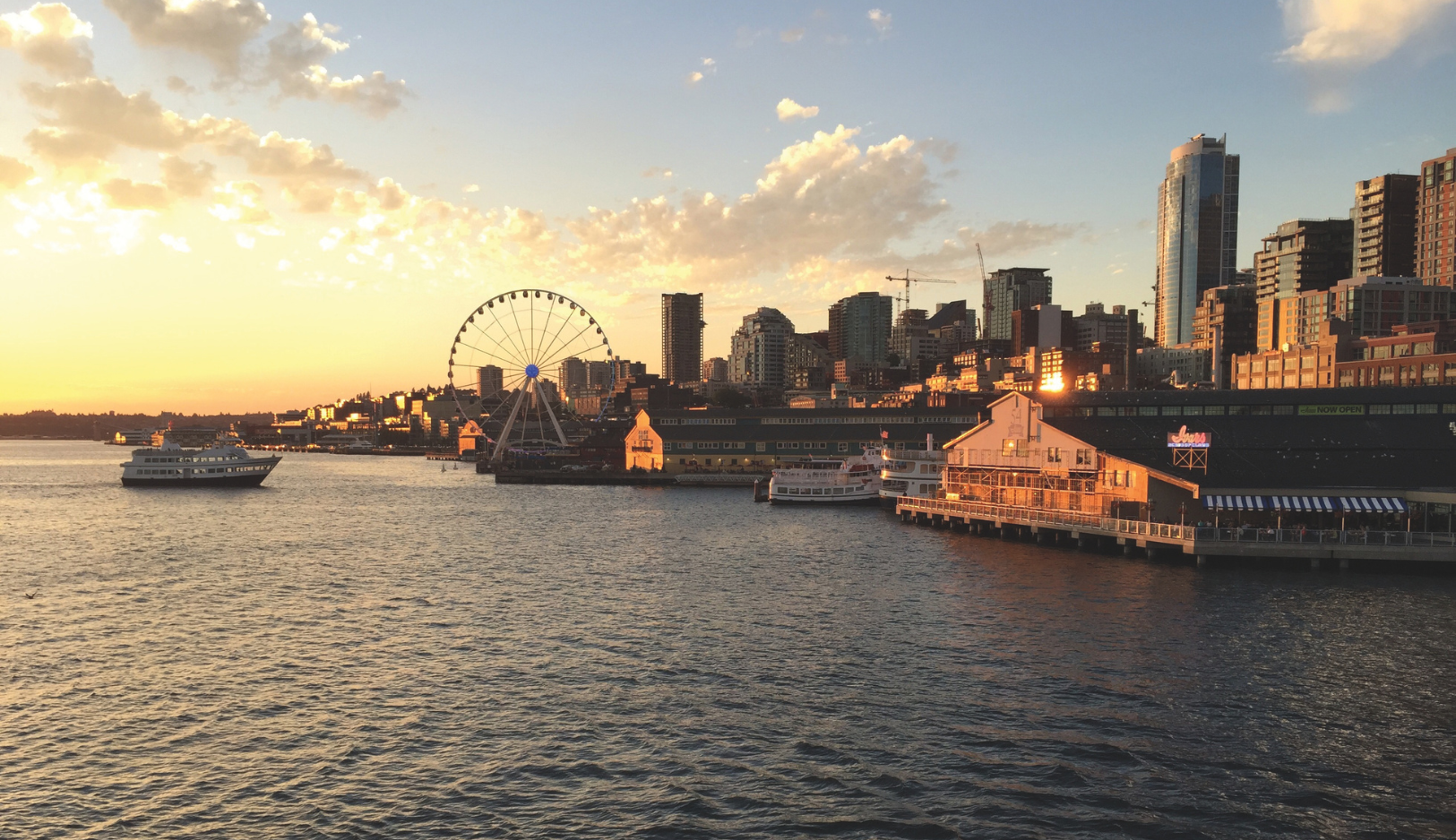
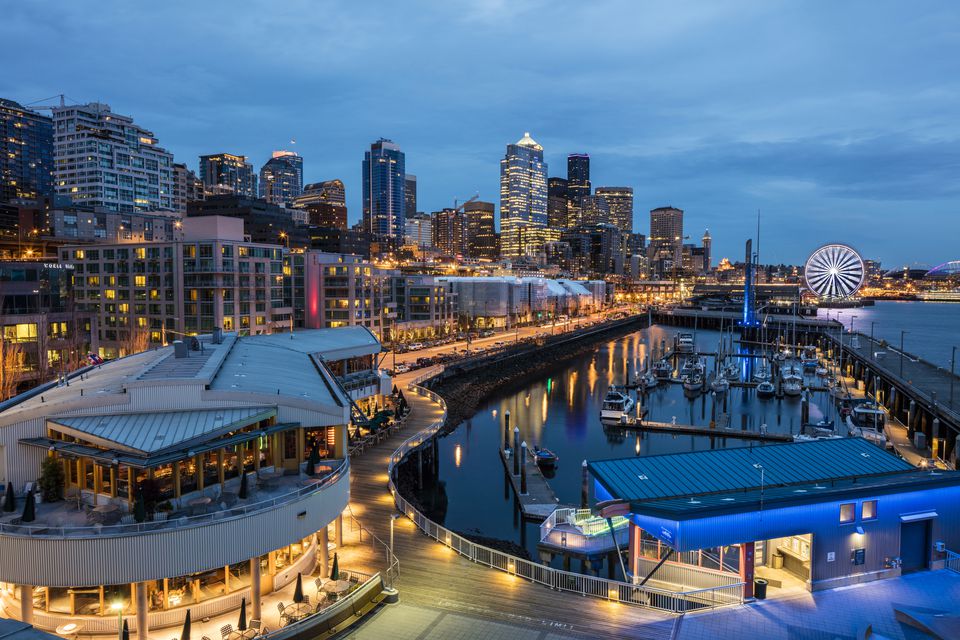
Stand near the water edge to capture the vessel against the backdrop of Elliott Bay and the city skyline. This is where you begin your seattle orca watching tour to encounter marine wildlife.
Embarking on a seattle orca watching tour offers families a unique way to observe marine wildlife within the vast Salish Sea. Preparing for time on the water ensures a comfortable experience for children and adults alike.
Most vessels require strollers to be folded and stored during the trip, so bringing a wearable baby carrier is recommended for younger children. Exploring the Salish Sea by boat provides an engaging educational experience for all ages.
While there is no strict minimum age, these Seattle whale watching tour options are generally best suited for children aged five and up who can remain seated for extended periods. Younger children may find the noise of the boat engines and the length of the journey challenging.
Most tour operators provide onboard restrooms, but these spaces are often compact and not equipped with dedicated baby-change tables. Plan to handle necessary diaper changes or restroom breaks before boarding at Pier 69, 2701 Alaskan Way, Seattle, WA 98121.
Arrival within the best arrival window of 09:00–10:00 is essential to ensure a smooth boarding process for your seattle orca watching tour tickets. Secure your spot in advance, as morning departures offer the calmest seas and optimal lighting for wildlife spotting.
The marine environment remains cool even in September, so dressing in layers is vital for managing comfort on deck. Having waterproof gear ensures that your seattle orca watching tour tours remain pleasant if sea spray occurs.
Visitors embarking on a seattle orca watching tour will find limited dining options directly at Pier 69, though the adjacent Alaskan Way offers several accessible spots. Planning your meal around these Salish Sea excursions is simple, as many quick-service cafes sit just a short walk from the docks.
Offers refined seafood with expansive waterfront views, ideal for a relaxed meal after returning from a Seattle whale watching tour. It gets busy during peak lunch hours, so reservations are recommended for those with tight schedules.
A casual spot perfect for grabbing a burger or local craft beer before securing your seattle orca watching tour tickets. The atmosphere is laid-back and accommodates groups easily.
This local favorite provides high-quality artisanal pastries and hearty sandwiches, making it the top choice for a grab-and-go breakfast during your seattle orca watching tour tour. It is excellent for those prioritizing a quick bite before heading to the terminal.
Everything you need to know for your journey
We recommend arriving between 09:00–10:00 to ensure a smooth boarding process and benefit from the calm morning seas.
Yes, Seattle piers are free to enter, though individual tours like the seattle orca watching tour require separate tickets.
The Pacific Whale Watch Association is a collective of operators committed to ethical, conservation-minded wildlife viewing in the Salish Sea.
Trips generally last between 3 to 5 hours, depending on the location of the wildlife sightings.
Yes, you can secure your seattle orca watching tour tickets through the operator's official site.
Yes, it is a great family activity, though we suggest checking age guidelines with your specific operator for your seattle orca watching tour.
Many operators offer a free return trip if whale sightings do not occur during your scheduled excursion.
Yes, food and beverages are available for purchase onboard most boats departing from Pier 69.
The best way to reach the seattle orca watching tour departure point is via walking from downtown or using public transit to the waterfront area.
Historic market featuring fishmongers and local artisans.
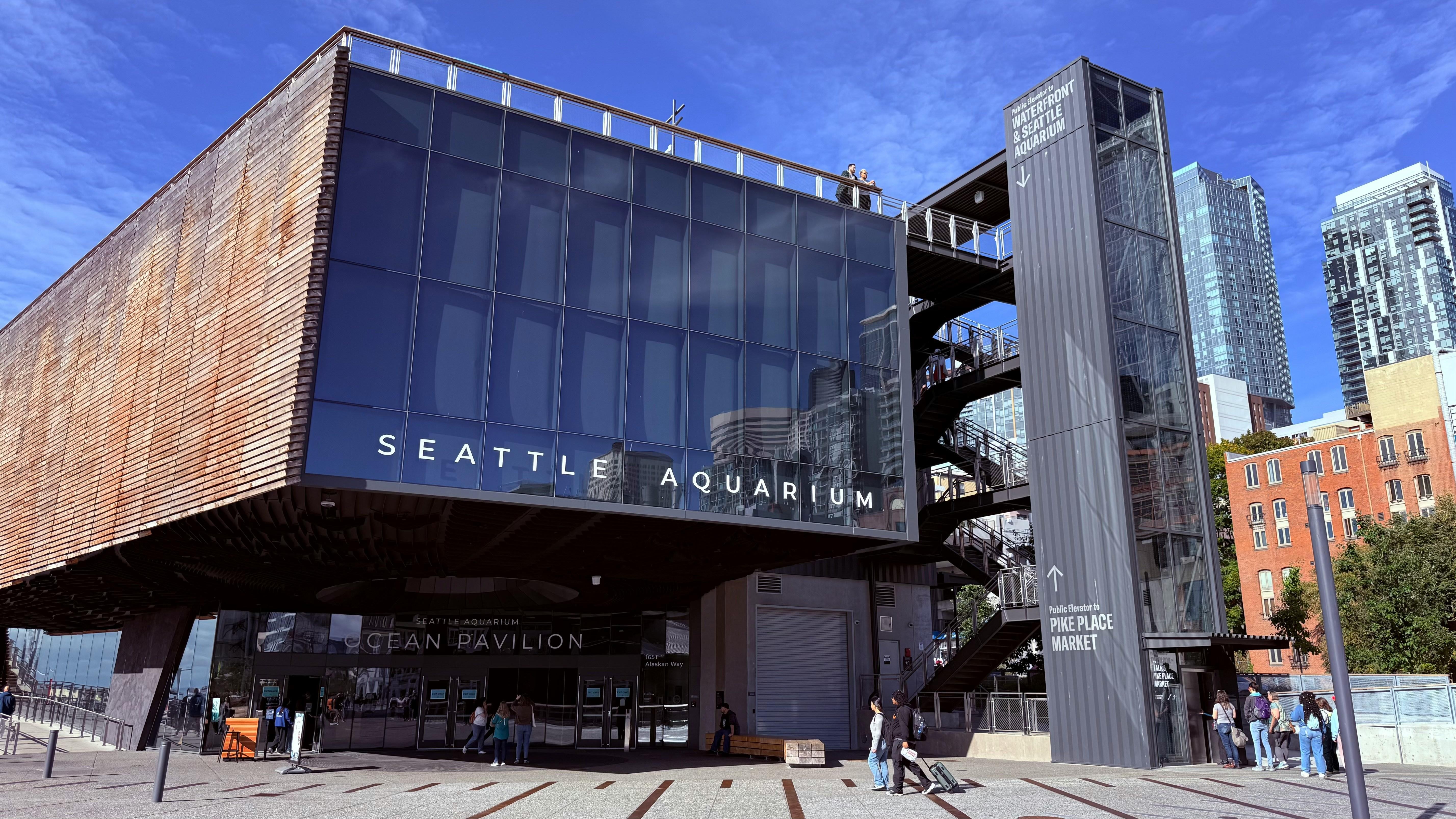
Educational facility showcasing regional marine ecosystems.
Iconic waterfront wheel offering panoramic views of Elliott Bay.
Outdoor art installations with stunning views of the Salish Sea.
High-end hotels with direct views of the harbor.
Vibrant area with boutique hotels and many dining options.
Join thousands of happy travelers who have discovered this incredible experience
Book Your Experience Now