

Quick answer
Seattle whale watching tours prices typically range from $89 to $189 per adult for half-day excursions departing from Puget Sound ports. Standard three- to four-hour trips on larger vessels average $110–$135, while premium tours on smaller craft or extended five-hour routes reach $159–$189. Children aged 4–12 usually pay $69–$119. Peak summer weekends (June through August) see the highest demand and least flexibility in operator pricing, while shoulder months offer occasional midweek discounts of 10–15 percent.
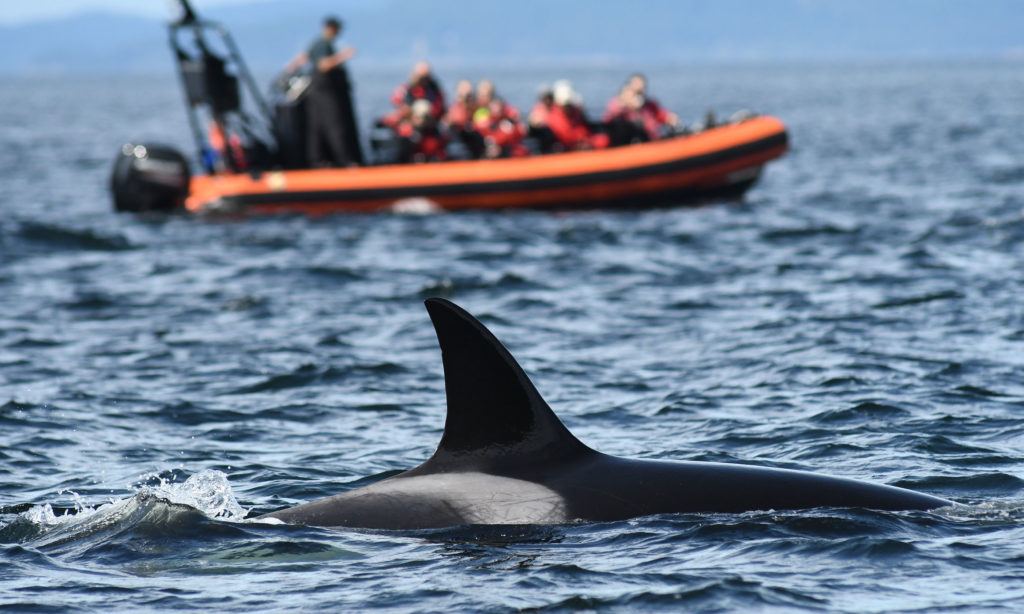
The southern resident orca population's predictable summer presence in the Salish Sea sustains a competitive whale watching market with nearly two dozen licensed operators working from Seattle, Anacortes, and surrounding ports. Pricing reflects vessel overhead more than sighting rates—all boats share real-time radio coordination, so encounter probability stays consistent across the fleet. Most operators structure rates around three variables: boat capacity, tour length, and departure location. High-speed rigid inflatable boats carrying 12–24 passengers command premium fares ($159–$189) for their agility and closer water-level vantage points. Traditional motor yachts seating 40–80 guests cost less ($89–$135) but offer enclosed cabins, onboard naturalists, and steadier platforms for photography. Extended five-hour expeditions into the San Juan Islands add $20–$40 to baseline rates, while standard three-hour loops from downtown Seattle docks stay at the market's lower end. Seasonal demand shapes availability more than listed prices. July and August weekends fill weeks in advance at full published rates, leaving little room for negotiation. May, June, and September midweek departures occasionally surface with 10–15 percent discounts when operators need to fill unsold capacity, though the southern residents' feeding patterns remain strong through early October. Most tickets include hydrophone listening and onboard commentary from trained naturalists; fuel surcharges, parking fees, and gratuities stay separate. Operators sailing from Anacortes or Bellingham reach prime orca habitat faster than Seattle-based boats, but travelers weigh the 90-minute drive north against the convenience of downtown departures. The Pacific Whale Watch Association's member directory lists current rates and vessels, updated seasonally as operators adjust for fuel costs and maintenance schedules. Booking directly through operator websites typically matches third-party marketplace pricing, with refund policies favoring advance purchases made 72 hours or more before departure. Understanding how vessel type and tour length drive costs lets travelers compare seattle whale watching tours prices across operators without conflating premium features with better wildlife outcomes—the whales appear regardless of ticket tier.
“The southern resident orca population's predictable summer presence sustains a competitive market with nearly two dozen licensed operators working from Puget Sound ports.”
Understanding Seattle Whale Watching Tours Prices and Admission Fees
There is no cost to access the Salish Sea itself. Whale watching tour pricing is determined exclusively by private operators who offer varied excursion options.
While the Salish Sea is free to access, individual tour operators set their own pricing based on vessel type, excursion duration, and tour inclusions.
Best Time of Day for Seattle Whale Watching Tours Prices and Sightings
The best arrival window for whale watching tours in the Salish Sea is 09:00–14:00. Scheduling your departure during these hours allows operators to leverage real-time sighting data shared across the fleet, improving the likelihood of successful encounters.
April–May
Moderate crowdsCool, 45-60°F; start of season.
Transient orcas are frequently observed during these spring months.
June–August
High crowdsWarm, 65-75°F; peak activity.
This period offers the highest probability of spotting Bigg's and Southern Resident orcas, as well as humpback whales.
September–October
Low to moderateCool, 50-65°F; migrating whales.
Humpback whale activity remains high as they prepare for southern migration.
Weekday mornings
Lower visitor volume—
Choosing a weekday departure often provides a quieter experience on the water compared to weekend sailings.
Verdict: For optimal conditions, plan to arrive within the 09:00–14:00 window between June and September.
Operational Hours for Seattle Whale Watching Tours Prices Research
The operational support and inquiry desk for research regarding whale watching tours in the Salish Sea is open daily.
| monday | 09:00–17:00 | |
|---|---|---|
| tuesday | 09:00–17:00 | |
| wednesday | 09:00–17:00 | |
| thursday | 09:00–17:00 | |
| friday | 09:00–17:00 | |
| saturday | 09:00–17:00 | |
| sunday | 09:00–17:00 |
Preparation Checklist for Seattle Whale Watching Tours Prices and Logistics
Complete these steps before your tour to ensure a smooth departure and comfortable experience on the water.
-
Book your tour in advance — Tours fill quickly during peak orca season (May–September) and operators require reservations.
-
Bring valid photo ID — Most operators require ID for check-in and passenger manifests.
-
Dress in warm, layered clothing — Water temperatures average 50°F year-round and wind chill increases on moving vessels.
-
Pack motion sickness medication — Salish Sea conditions can be choppy, especially in open water beyond the San Juan Islands.
-
Wear closed-toe, non-slip shoes — Boat decks become wet and slippery from spray during active whale approaches.
-
Arrive 30 minutes before departure — Operators use this window for safety briefings, gear distribution, and boarding procedures.
-
Bring binoculars and a camera — Whales often surface at distances requiring magnification for clear viewing.
Check availability
Frequently Asked Questions About Seattle Whale Watching Tours Prices
Everything you need to know about seattle whale watching tours prices