

Quick answer
The Seattle whale watching season runs from April through October, with southern resident orcas most active May through September. Gray whales migrate through March and April, while humpbacks appear June through October. Shore-based viewing is free along designated Whale Trail sites; boat tours operate daily during peak months with separate operator pricing.
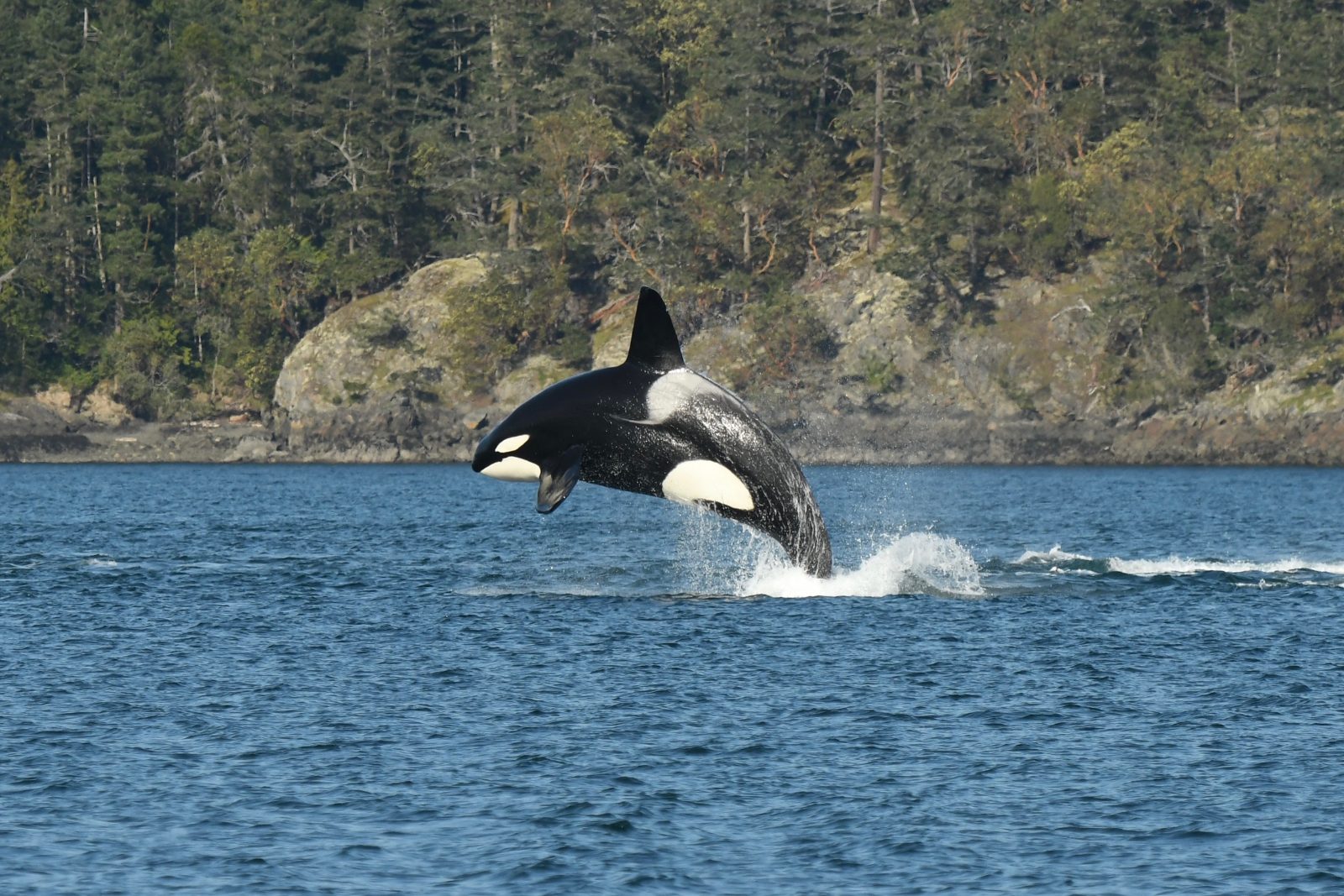
Three distinct orca populations use the Salish Sea as hunting and social territory. Southern residents—J, K, and L pods—spend summer months pursuing Chinook salmon between the San Juan Islands and Puget Sound, making May through September the most reliable window for encounters. Transient orcas, or Bigg's killer whales, patrol year-round but peak in late spring when harbor seal pups provide abundant prey. Northern residents pass through less frequently, typically in late summer. Gray whales follow a different calendar. Northbound migration from Baja California brings them through the Salish Sea in March and April, with a small group of "summer residents" lingering near Whidbey Island and the Olympic Peninsula through early autumn. Humpback whales arrive in June, feeding on krill and small fish through October before departing for Hawaiian breeding grounds. These baleen whales favor deeper channels west of the San Juan Islands, where upwelling concentrates prey. Weather shapes the viewing experience as much as migration timing. April and May bring longer daylight but variable rain and wind. July and August offer the most stable conditions, though weekend boat traffic increases near popular pods. September balances good weather, active wildlife, and smaller crowds. October sightings taper as orcas range farther south and humpbacks begin their departure. Shore observers gain the most from calm mornings between 8:00 AM and noon, when glare is minimal and whales surface closer to shoreline feeding zones. The Whale Trail network marks 28 land-based viewing sites across Washington and British Columbia, including Lime Kiln Point on San Juan Island and Cattle Point Lighthouse. No fees apply to shoreline access. Boat-based tours depart from Seattle, Anacortes, and Friday Harbor, with hydrophones and naturalist guides standard on most vessels. Sightings are never guaranteed—southern resident populations declined to 73 individuals as of recent counts, making conservation awareness part of the regional whale watching culture.
“Southern resident orcas spend summer months pursuing Chinook salmon between the San Juan Islands and Puget Sound, making May through September the most reliable window for encounters.”
Understanding the Seattle Whale Watching Season
The primary whale watching season in the Salish Sea spans from April through October, offering the highest probability of encountering diverse marine life. Planning your excursion within the best arrival window of 08:00–18:00 ensures optimal daylight and visibility for wildlife spotting.
April to May
Low to moderate crowdsCool, 45°F to 60°F
Gray whales migrate through the region during this time. Sightings remain consistent as spring conditions emerge.
June to August
High seasonal demandWarm, 60°F to 75°F
Peak period for Orca sightings, including both resident and transient pods. Humpback whale activity also increases steadily.
September to October
Decreasing visitor numbersMild, 50°F to 65°F
Humpback whales are frequently sighted as they feed before migration. This period often provides calm water conditions for viewing.
Verdict: The best time to visit is mid-week between June and August, arriving within the 08:00–18:00 window to maximize visibility.
Daily Operating Hours for Seattle Whale Watching Tours
Whale watching tour operators in the Salish Sea maintain a consistent daily operational schedule to accommodate whale watching expeditions. These hours reflect the standard availability for departure planning.
| Monday | 00:00–23:59 | |
|---|---|---|
| Tuesday | 00:00–23:59 | |
| Wednesday | 00:00–23:59 | |
| Thursday | 00:00–23:59 | |
| Friday | 00:00–23:59 | |
| Saturday | 00:00–23:59 | |
| Sunday | 00:00–23:59 |
Entrance Fees and Seattle Whale Watching Season Costs
There is no cost to view whales from public shorelines along the Salish Sea. Commercial whale watching tours set their own independent pricing structures based on vessel type and tour duration.
While shoreline viewing is free, adult tickets for commercial boat tours vary significantly depending on the operator and season.
Directions for Reaching Your Seattle Whale Watching Season Departure
Departure points for whale watching excursions in the Salish Sea are primarily located along the Seattle waterfront and in neighboring coastal communities. Visitors typically reach these docks via central transit hubs or private vehicle.
Link Light Rail to University Street Station
King County Metro lines to Alaskan Way
State Route 99 to Pier 55/56 area
Walking from downtown core to waterfront
Preparation Checklist for a Seattle Whale Watching Season Excursion
Prepare for variable conditions and extended time on the water with these essentials.
-
Book your tour in advance
-
Operators fill quickly during peak season, especially May through September.
-
Layer clothing for wind and spray
-
Temperatures drop on open water even on sunny days, and conditions change quickly.
-
Bring binoculars or a camera with zoom
-
Whales surface at varying distances, and magnification helps spot blows and behaviors.
-
Pack motion sickness remedies
-
Salish Sea waters can be choppy, particularly in afternoon winds or tidal exchanges.
-
Confirm departure location and time
-
Tours leave from multiple harbors around Puget Sound; missing your boat forfeits your spot.
-
Wear rubber-soled, closed-toe shoes
-
Boat decks become slippery from spray and movement, and open shoes risk injury.
Check availability
Common Questions About Seattle Whale Watching Season
Everything you need to know about seattle whale watching season