4 hr
Salish Sea Whale & Wildlife Watching Expedition
- Entry ticket
- Mobile voucher
- Valid same day
- Free cancellation
Seattle Whale Watching Tours — Salish Sea Expeditions
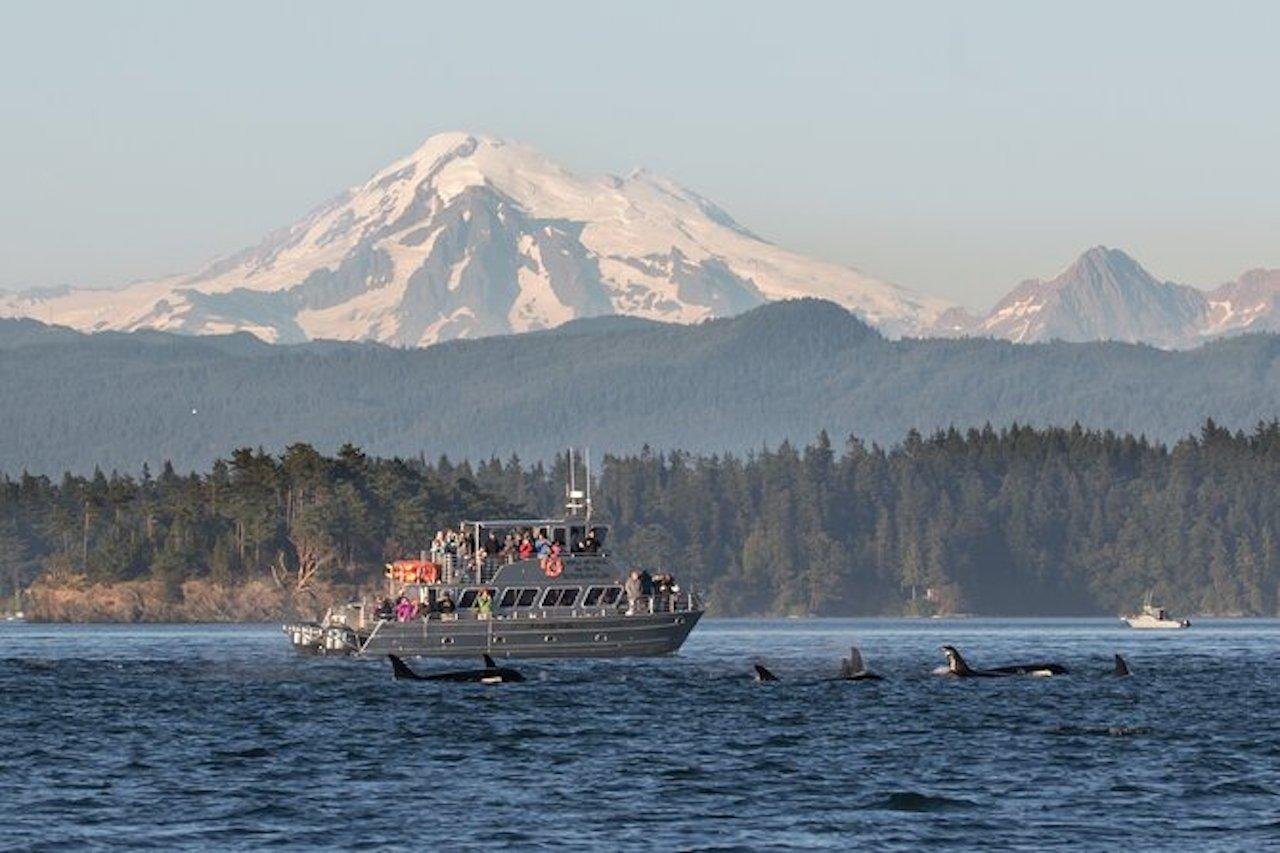
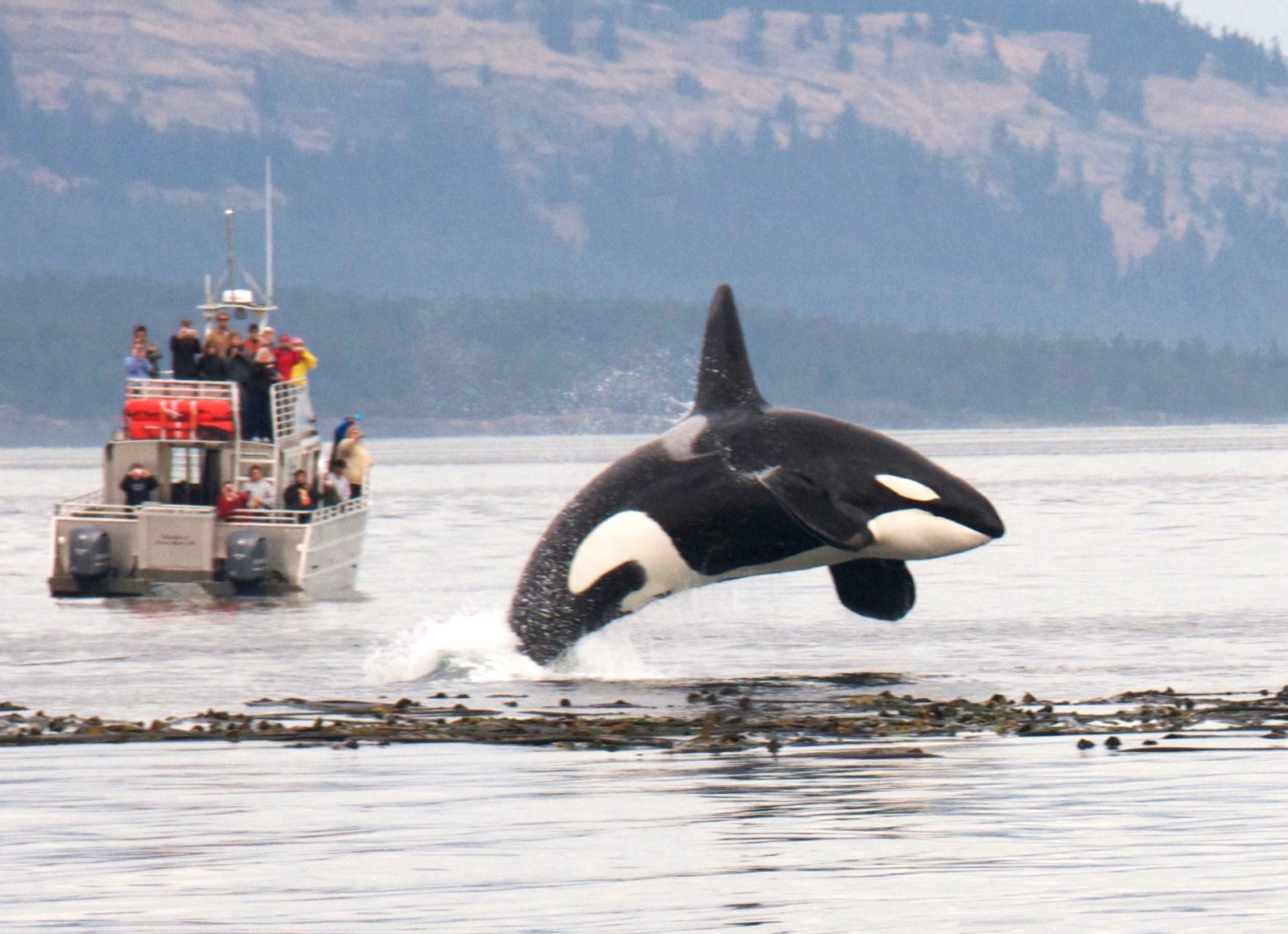
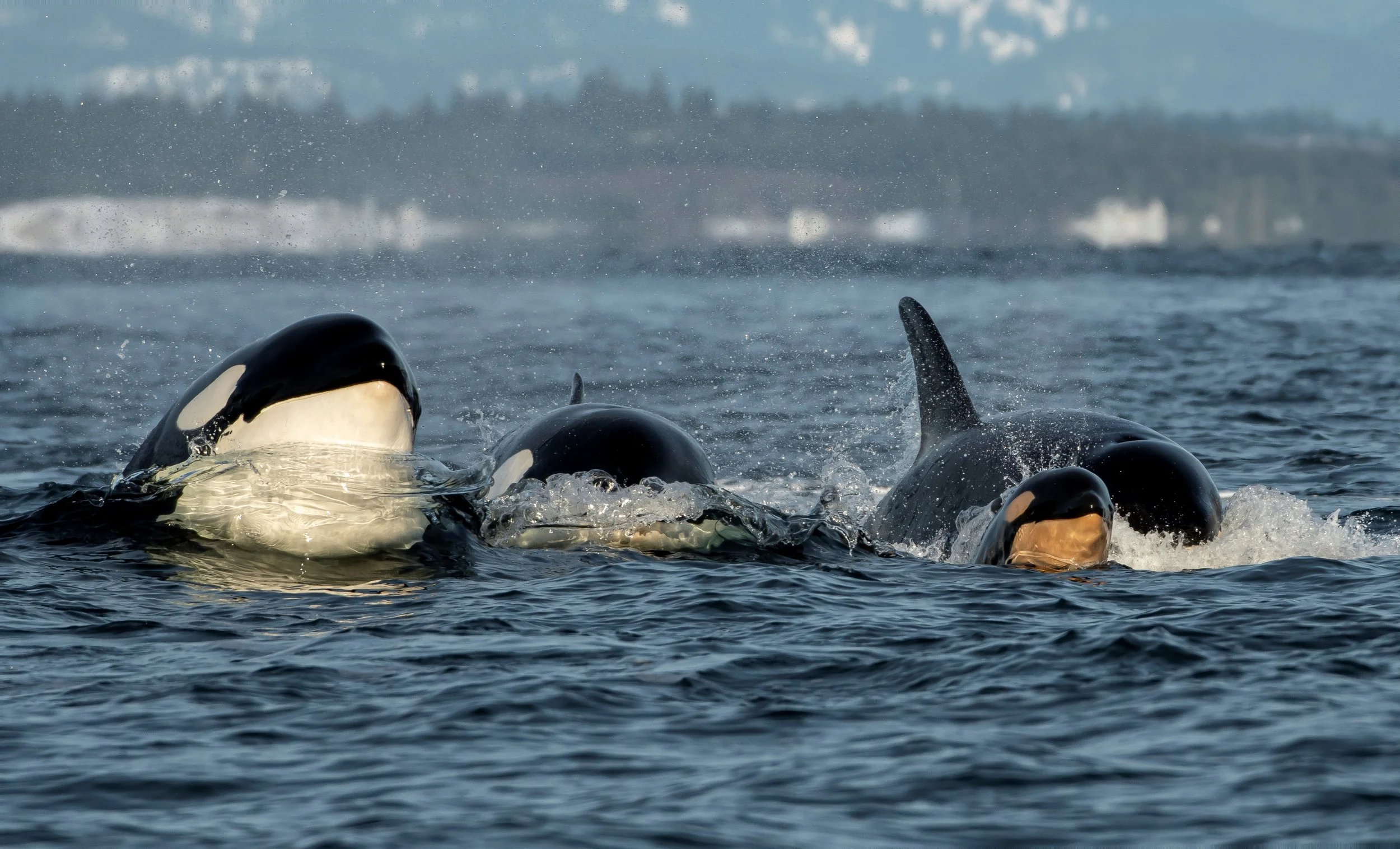
Orcas breach in open water, harbor seals bask on tide-worn rocks.
Compare fares, pick the fit — all bookings are mobile-voucher and eligible for free cancellation where shown.
4 hr
3 hr 30 min
1 hr
Selecting the right seattle whale watching tours for your Salish Sea excursion involves choosing between standard passenger cruises and specialized high-speed wildlife expeditions. These seattle whale watching tours tickets provide varying degrees of deck access and seating comfort to enhance your marine observation experience.
|
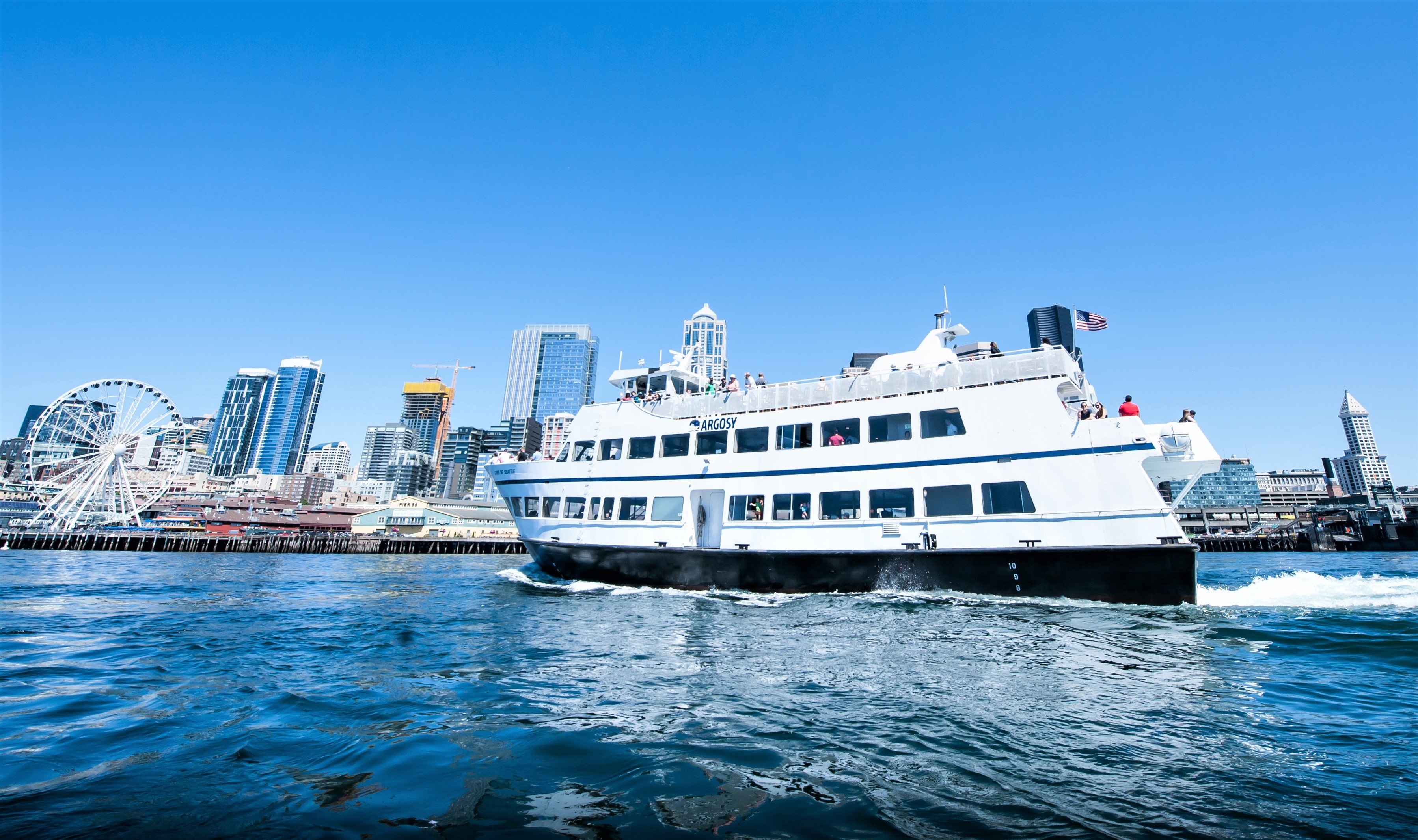
Top pick Standard Cruise Indoor/Outdoor Seating |
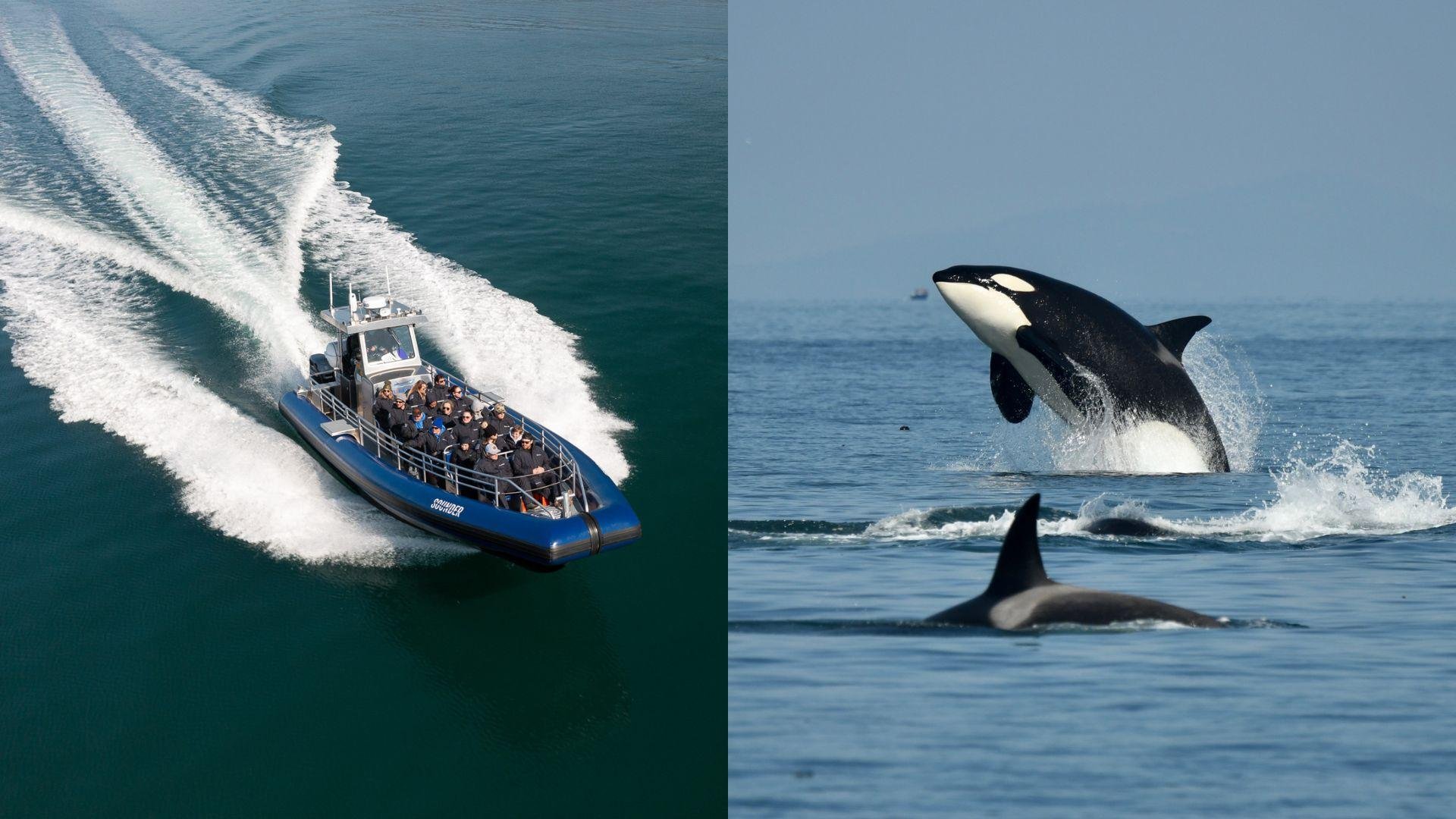
Wildlife Adventure Fast Boat/Open Deck | |
|---|---|---|
| Vessel Type | Large Catamaran | High-Speed RIB |
| Viewing Access | Dual Decks | 360-degree Walkaround |
| Capacity | Up to 150 Passengers | Limited Small Group |
| Duration | 3–5 Hours | 3–4 Hours |
| What's Included | Naturalist Commentary | Full Exposure Suits |
| Best for | First-timers and Families | Adventure Seekers |
| See tickets & prices |
Verdict: For the most balanced experience on your seattle whale watching tours tour, the Standard Cruise is recommended for its comfort and accessibility.
Worth it for wildlife enthusiasts and nature lovers
Seattle whale watching tours deliver genuine value if you prioritize wildlife observation over passive sightseeing. Most operators charge between $100–$150 per adult for 3–5 hour expeditions into the Salish Sea, where orca pods, humpback whales, harbor seals, and bald eagles congregate seasonally. Professional naturalists provide real-time narration about marine ecology and migration patterns, transforming the trip into an educational experience rather than just boat time. The investment pays off best for visitors who understand that wildlife sightings depend on seasonal patterns and weather—May through September offers the highest orca encounter rates, while shoulder months may yield humpbacks but fewer resident pods. Shore-based viewing at Lime Kiln Point or Cattle Point costs nothing, but lacks the mobility and expert guidance that justify tour prices. For those seeking guaranteed marine mammal encounters with interpretive depth, seattle whale watching tours tickets represent solid value; casual tourists may find harbor cruises more predictable.
Bottom line: The tour earns its cost if you value guided access to resident orca populations and accept that nature operates on its own schedule.
They complement each other; most visitors who do both call the Anacortes launch more time-efficient for reaching deep-water marine mammal habitats. Selecting the right seattle whale watching tours requires balancing your desire for urban convenience against the proximity to open-ocean corridors.
|
Top pick Seattle Departures |
Anacortes Departures | |
|---|---|---|
| Departure Location | Downtown Seattle Waterfront | Anacortes Cap Sante Marina |
| Travel Time to Sightings | 60–90 minutes | 15–45 minutes |
| Urban Accessibility | High access to public transit | Requires car rental or shuttle |
| Vessel Type | High-speed expedition catamarans | High-speed expedition catamarans |
| Total Trip Duration | 4–6 hours | 3–5 hours |
| See tickets & prices |
Verdict: Choose the Seattle seattle whale watching tours tickets if you prioritize city-center proximity, or opt for the Anacortes seattle whale watching tours tour if you seek faster transit to active feeding grounds for an efficient seattle whale watching tours tours experience.
Hand-picked experiences loved by thousands of travelers
3.5 hours
Free Cancellation
Hunt for orcas, humpbacks, and marine life on an exhilarating zodiac boat through the San Juan Islands
3.5 hours
Free Cancellation
High-speed whale watching expedition with 98% sighting success rate across the San Juan Islands
2 hours
Free Cancellation
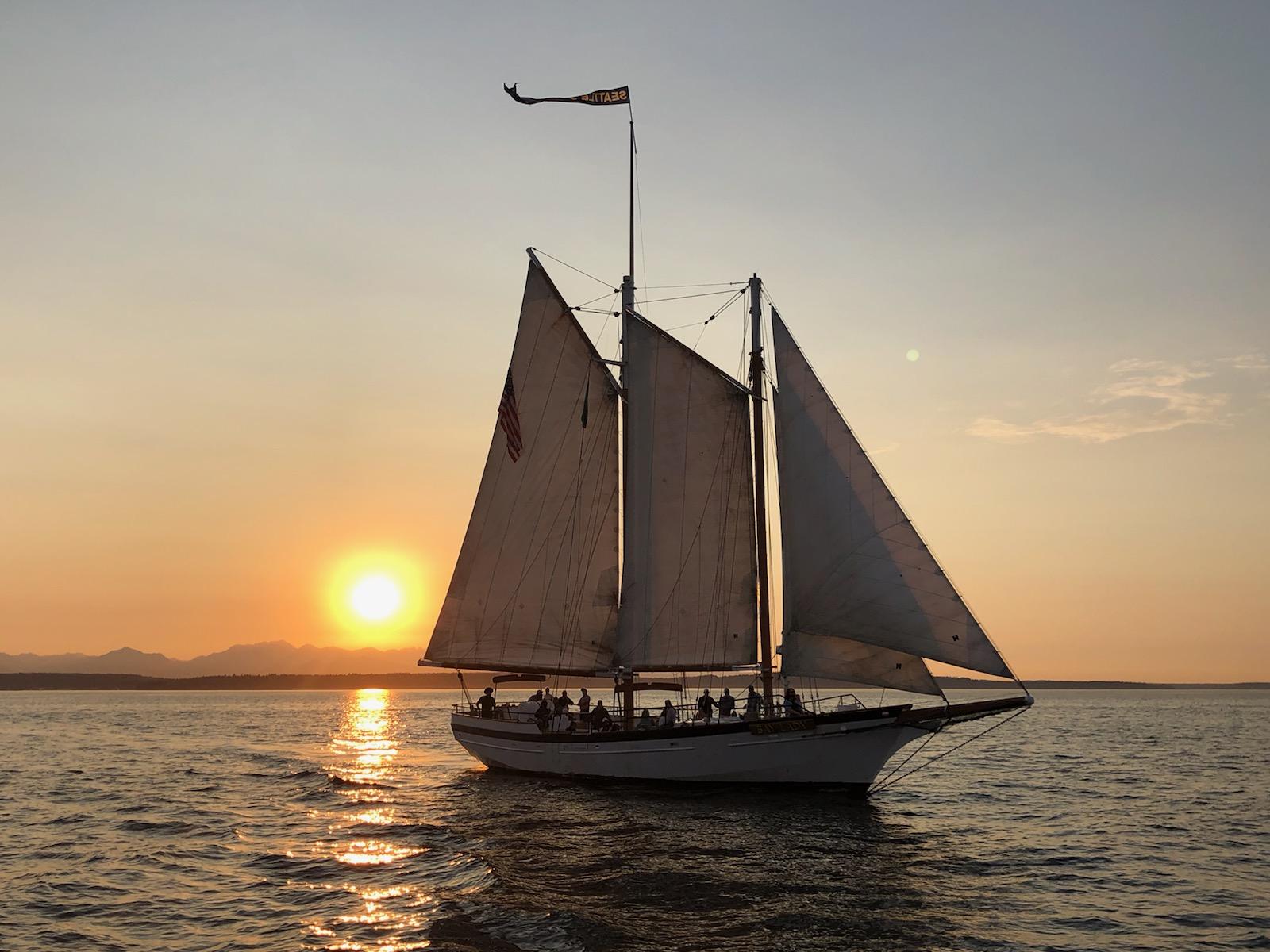
Glide through Elliott Bay aboard an authentic tall ship as twilight paints the sky over the Olympics
4 hours
Free Cancellation
High-speed boat adventure through San Juan Islands seeking killer whales in their Pacific habitat
4 hours
Free Cancellation
Explore the Salish Sea with Indigenous hosts sharing cultural stories, wildlife encounters, and traditional tea
2 hours
Free Cancellation
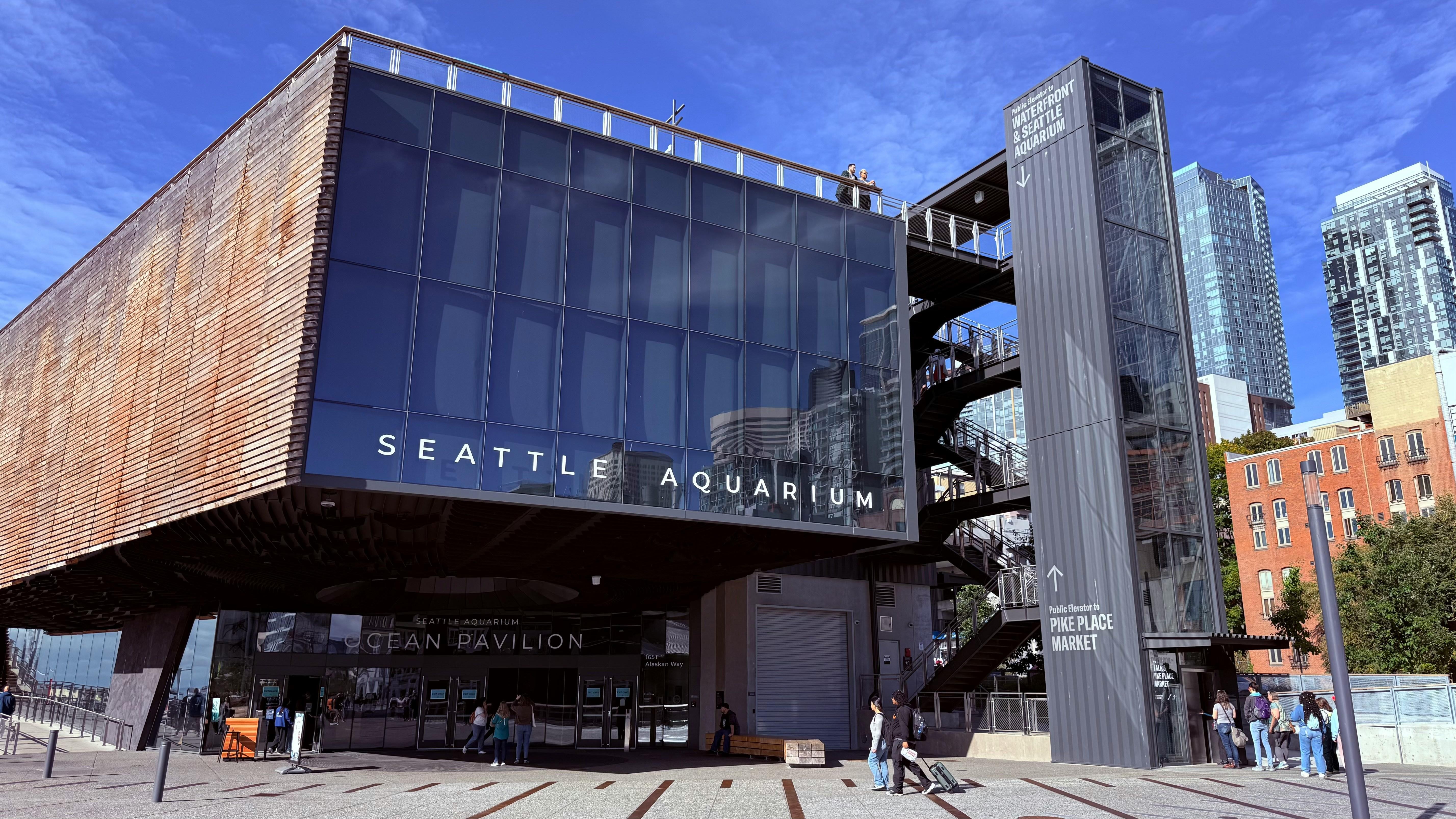
Explore Puget Sound ecosystems and tropical ocean habitats with an expert local guide at Seattle's waterfront aquarium
1.5 hours
Free Cancellation
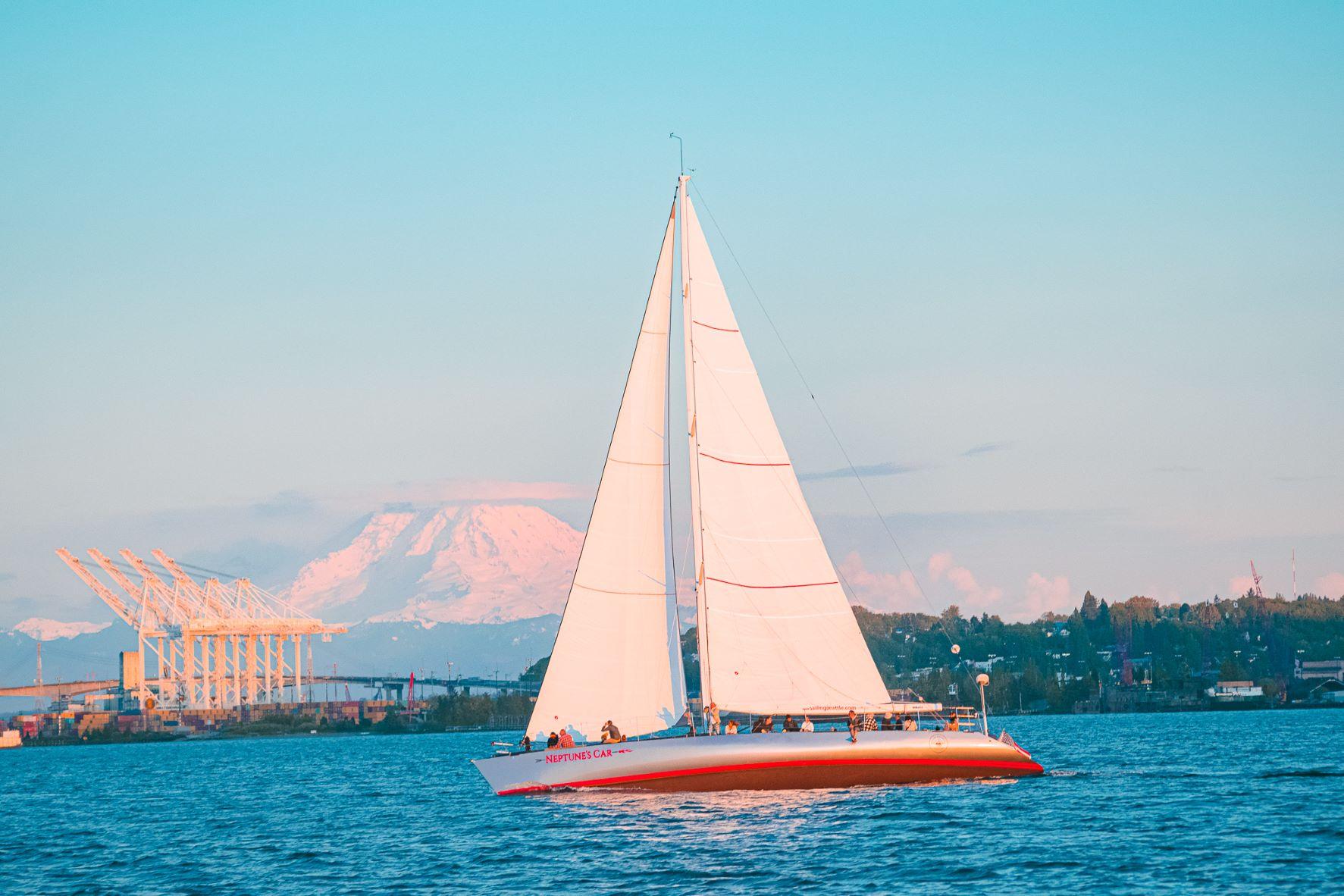
Glide across Elliott Bay on a classic racing yacht with skyline and mountain views
1.5 hours
Free Cancellation
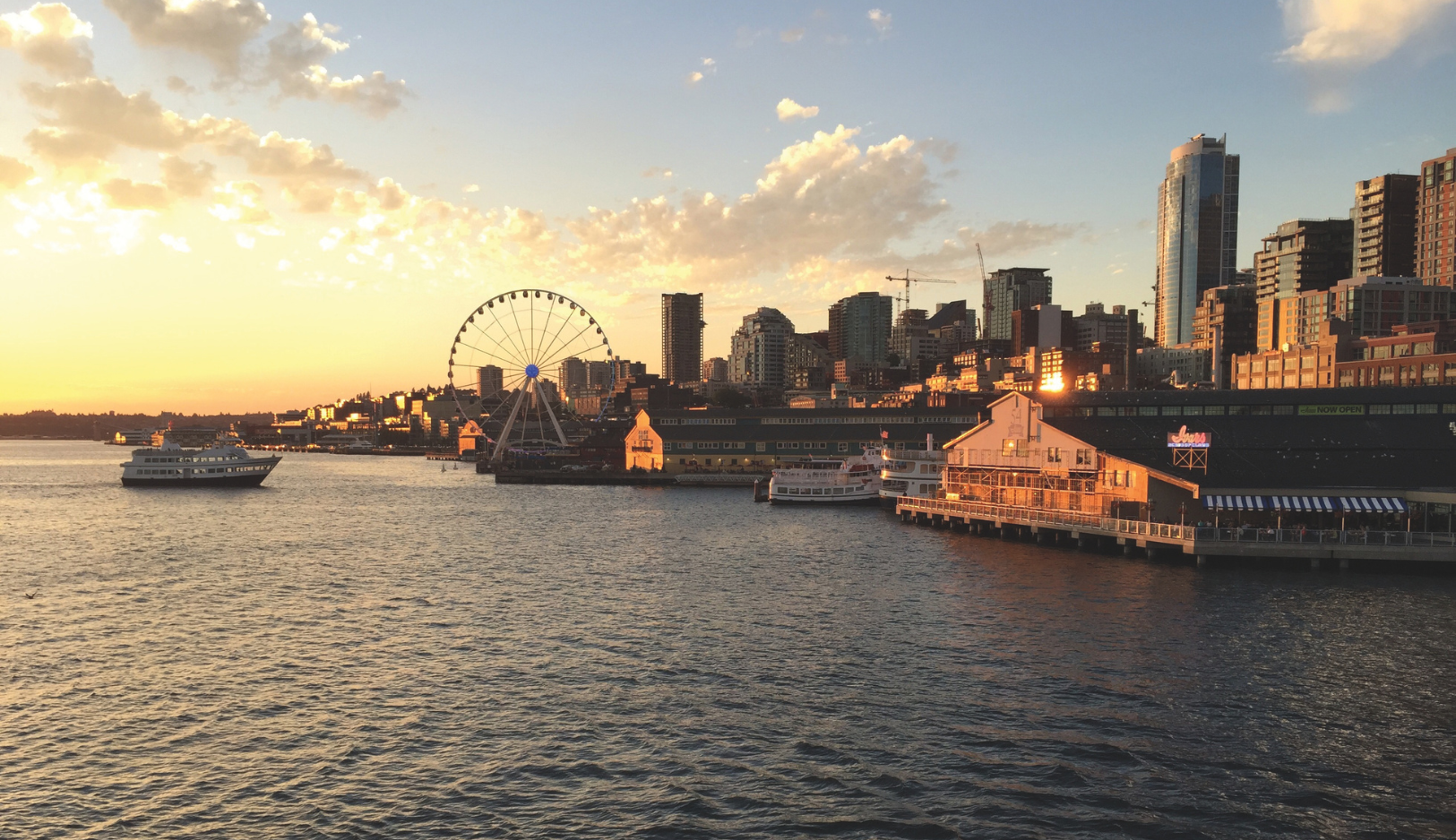
Drift through Elliott Bay as the city skyline glows in golden light on this tranquil evening voyage
A massive archipelago serving as a primary feeding ground for various whale species, including orcas and humpbacks.
San Juan Islands
These mammal-eating orcas frequent the Salish Sea year-round, often seen hunting seals in the surrounding currents.
Bigg's Killer Whales
Commonly spotted from spring through fall, these giants are often seen lunging for herring in the nutrient-rich waters.
Humpback Whale Sightings
Aside from whales, visitors often encounter Steller sea lions, harbor seals, and porpoises thriving in the protected inland waters.
Salish Sea Wildlife
Network of operators ensuring sustainable, science-based viewing practices to protect the diverse marine ecosystem of the Salish Sea.
Marine Conservation Efforts
You board at Pier 69 or the Anacortes ferry terminal at 08:00, stepping onto a heated cabin cruiser with open upper decks. The vessel clears harbor breakwaters within 15 minutes, entering Rosario Strait where the first Dall's porpoises appear in the bow wake.
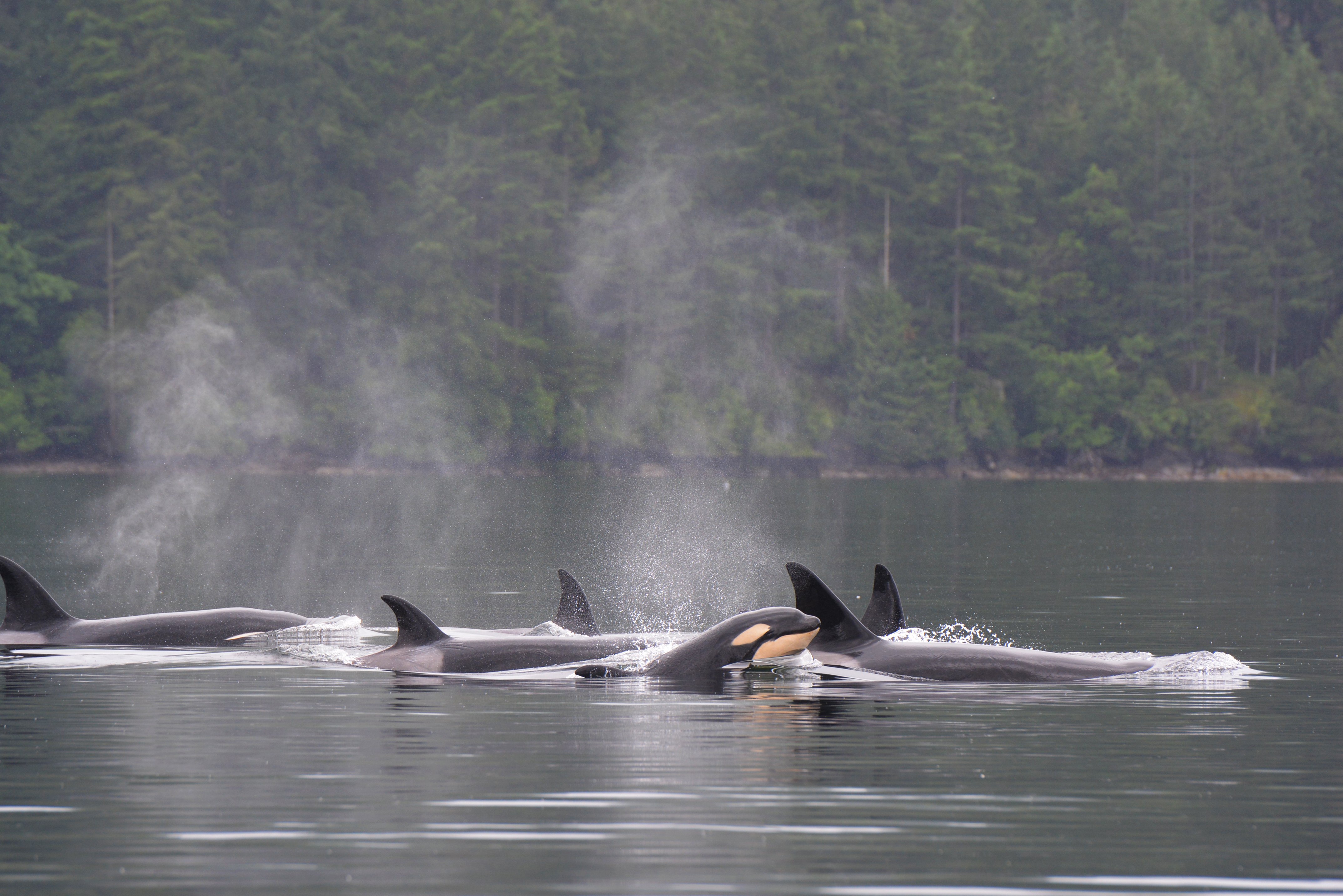
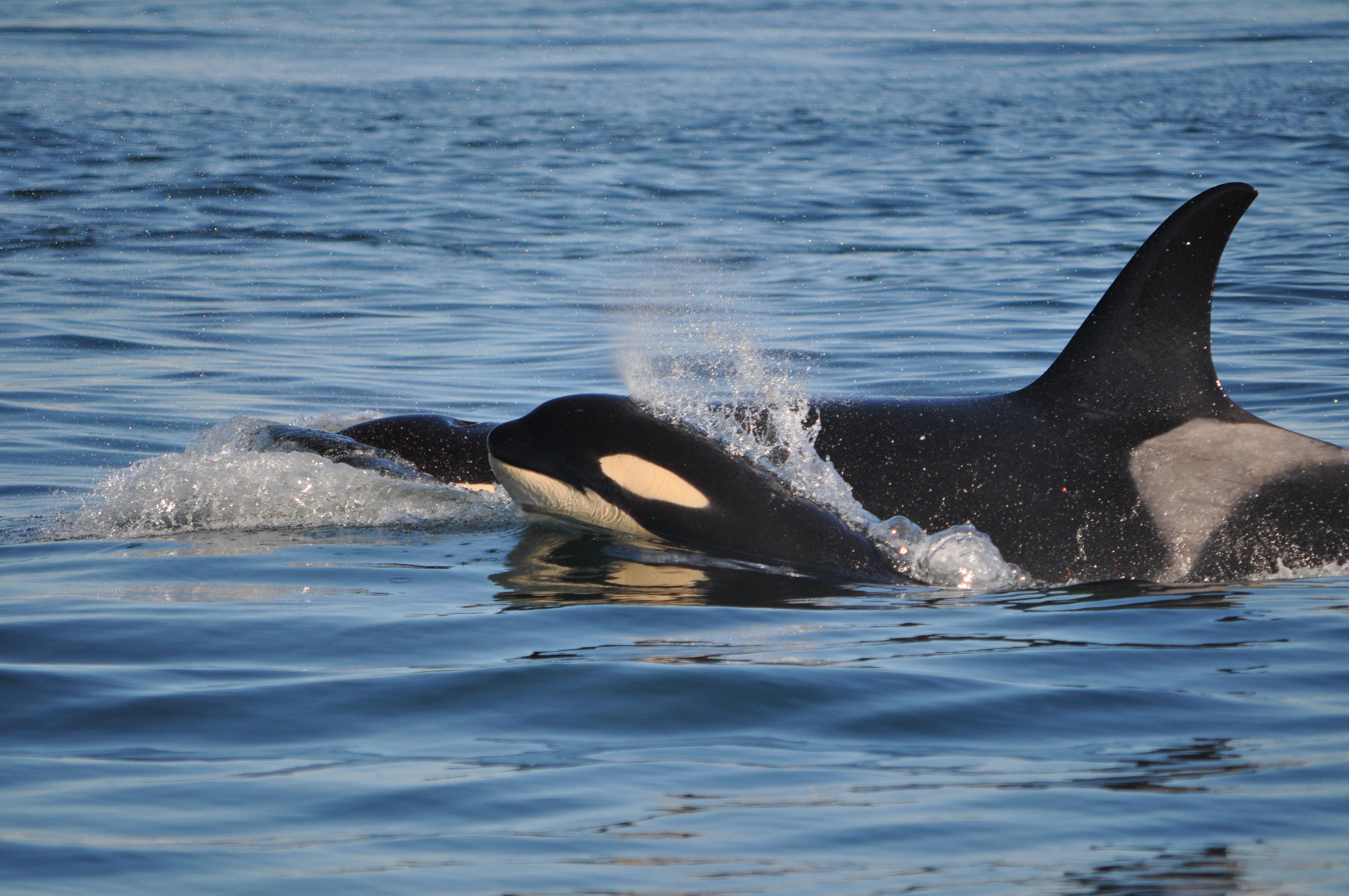
A naturalist scans the horizon with 10x50 binoculars, calling out blow spouts at two o'clock. You move to the port rail as the captain throttles down. Three orcas surface 200 yards off—a cow, calf, and juvenile bull. Their exhalations carry across flat water, a percussive hiss followed by silence. The pod dives; you wait. Four minutes pass. They resurface closer, the bull's dorsal fin black against gray sky.
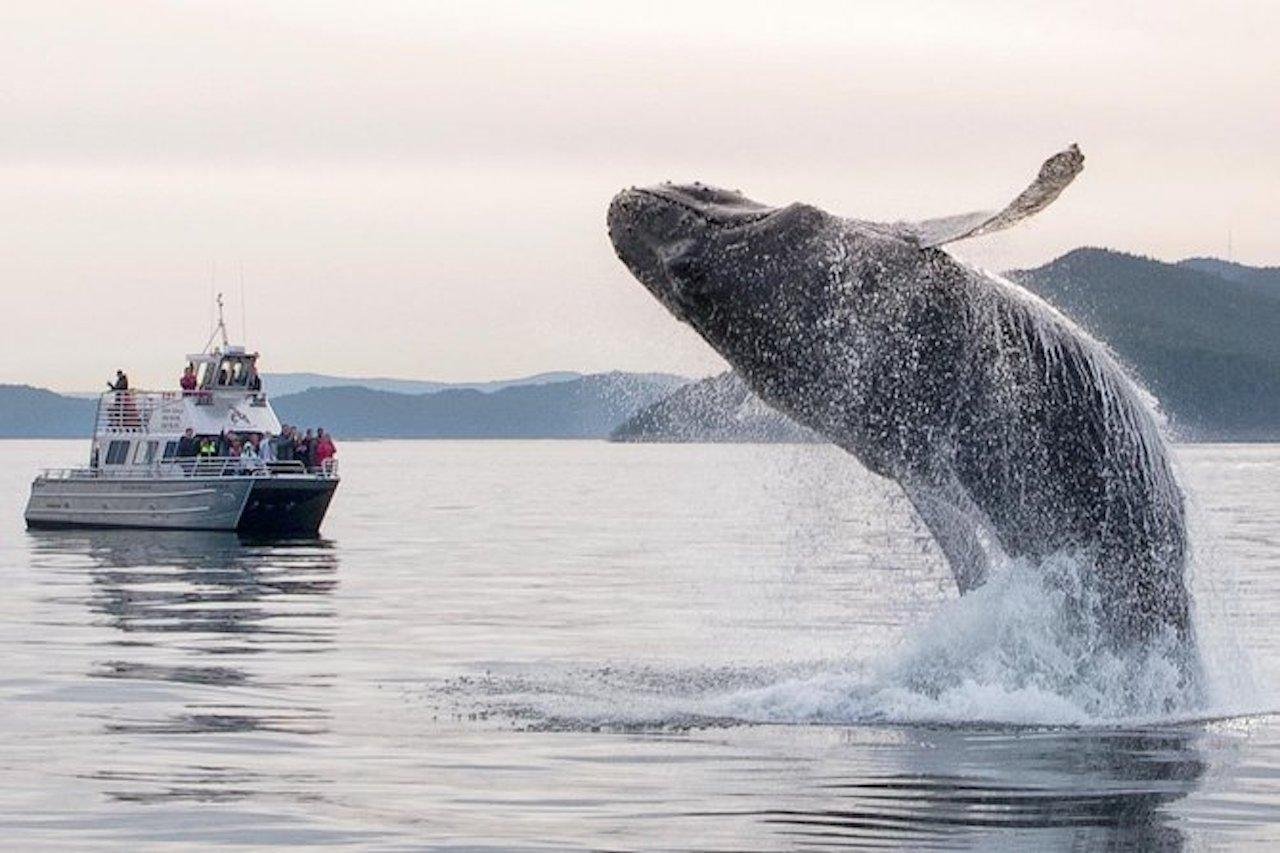
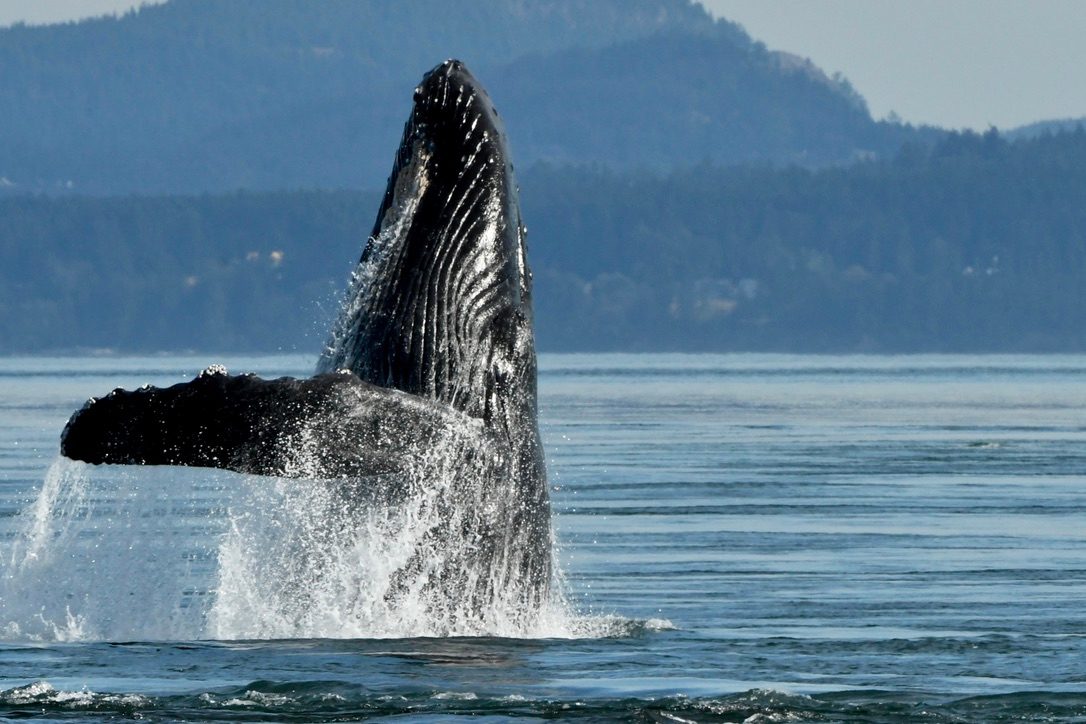
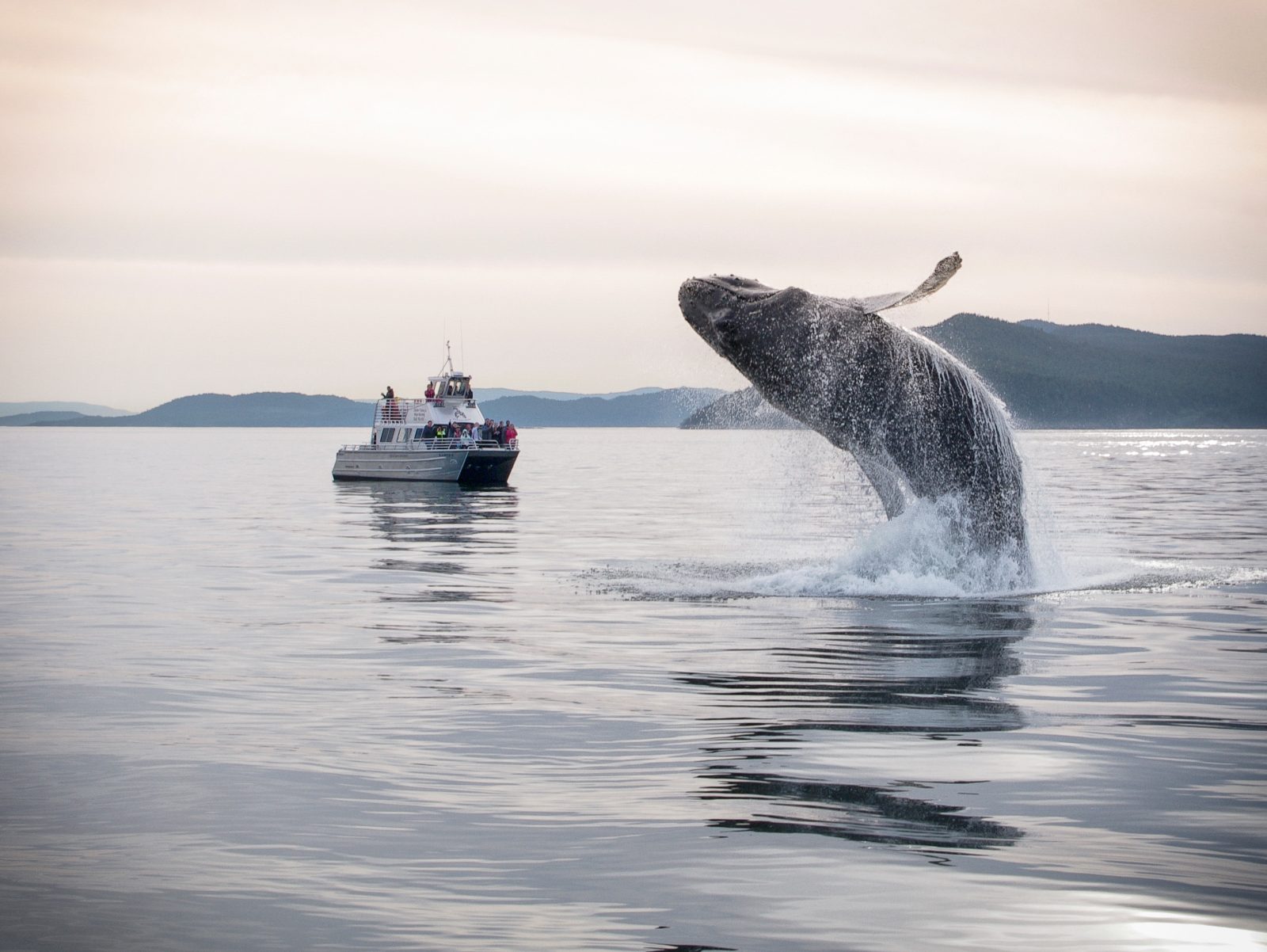
The boat drifts. You lower a hydrophone over the side. Through the speaker, clicks and whistles fill the cabin—echolocation pulses bouncing off salmon schools a quarter-mile deep. A humpback breaches a half-mile north, its 40-ton body clearing the surface before crashing back in white spray. You track the whale through three more breaches, each impact audible across open water. Harbor seals dot a kelp bed near Flattop Island. The return leg passes bald eagles perched on channel markers, wings spreading eight feet as the boat passes. You dock at 13:00, salt-crusted and quiet.
All the details about your upcoming adventure in one place
The Salish Sea holds the densest concentration of transient and resident orcas in North American waters. Three resident pods—J, K, and L—number roughly 75 individuals and spend spring through autumn hunting Chinook salmon along the continental shelf between Admiralty Inlet and the Canadian border.
Transient Bigg's orcas, numbering over 300 across the inland sea, patrol year-round for harbor seals and porpoises. Humpback whales, absent from these waters for seven decades after commercial whaling, have returned since 2010; the Salish Sea now logs over 30 individual humpbacks each season, identified by fluke patterns cataloged by the Cascadia Research Collective.
Seattle whale watching tours depart from Anacortes, Everett, and downtown Seattle, converging on feeding grounds west of the San Juan archipelago. Vessels range from 30-passenger rigid inflatables to 150-capacity catamarans. Naturalists aboard identify cetaceans by dorsal fin shape, blow pattern, and surfacing interval. The orca's six-foot dorsal fin, visible two miles distant on calm water, signals a pod's location before the first breach. Gray whales migrate past Race Rocks each March and April, 20,000 animals traveling from Baja lagoons to Alaskan feeding grounds at a pace of 75 miles per day.
The inland sea's 6,000 harbor seals haul out on granite islets and driftwood rafts at low tide. Dall's porpoises, the fastest small cetacean, ride bow waves at 34 knots. Bald eagles nest in Douglas fir snags above tide lines; 200 breeding pairs occupy the San Juan Islands alone. Steller sea lions, each male weighing 2,400 pounds, congregate on navigation buoys off Cattle Point. Tufted puffins and rhinoceros auklets dive for sand lance in rip currents where the Strait of Juan de Fuca meets Haro Strait. Weather shapes every departure—morning fog burns off by 10:00, and afternoon westerlies build three-foot chop after 14:00. Hydrophones lower into the water column capture orca calls at frequencies between 500 Hz and 25 kHz, a sonic landscape older than the last ice age.
The orca's six-foot dorsal fin, visible two miles distant on calm water, signals a pod's location before the first breach.
Dress in warm, layered clothing as temperatures are significantly lower on the water. Flat, closed-toe rubber-soled shoes are strongly recommended for safety.
Passengers are encouraged to travel light with soft-sided bags. Note that Seattle whale watching tours vessels may have limited storage for bulky items.
Cameras are encouraged, but ensure they are protected from salt spray with a dry bag or sleeve. Avoid using drones, as they are prohibited near marine mammals.
Children are welcome on most Seattle whale watching tours. Please verify specific age requirements for small-group boat tours with the operator during booking.
Vessel accessibility varies; operators may require guests to navigate ramps or boarding steps. Please contact your chosen operator regarding specific mobility assistance.
Bringing snacks and water is recommended, though some Seattle whale watching tours offer food for purchase. Glass containers are generally prohibited on board.
Opening hours
08:00–18:00 daily
Address
Salish Sea, Washington, USA
Accessibility
Varies by vessel; inquire with operators
Best arrival window
08:00–12:00
Bags
Small bags only; no hard-sided luggage
Expert tip
Book early for peak summer season
Cancellations typically require 48-hour notice for a full refund. Operators generally do not charge an entrance fee for shore viewing, though tour prices vary by operator.
Recommended time
4-6 hours
Plan for a half-day commitment when booking seattle whale watching tours to allow for check-in and transit on the Salish Sea. The best arrival window is 08:00–12:00, as morning departures often offer calmer water and better wildlife visibility for your marine mammal expedition. Securing your seattle whale watching tours tickets in advance helps streamline the boarding process, while seattle whale watching tours tour operators recommend arriving early to avoid the peak afternoon congestion. If you are interested in seattle whale watching tours tours, allocate extra time for potential marine traffic or extended travel to find pods of orcas.
Crowd levels through the day
Commercial seattle whale watching tours began in the Salish Sea during the early 1970s, when a handful of fishing charter captains in the San Juan Islands recognized that orca pods drew more revenue than salmon. In 1976, the first dedicated whale-watch vessel departed Anacortes, marking the shift from opportunistic sightings to scheduled expeditions. The Southern Resident orcas—J, K, and L pods—became the industry's anchor species, their predictable summer migrations through Haro Strait and the Strait of Juan de Fuca enabling operators to guarantee encounters. By 1982, Seattle-based operators launched daily departures from the downtown waterfront, cutting transit time but increasing vessel density near critical feeding grounds. The industry faced its first regulatory crisis in 2001 when federal biologists documented declining Chinook salmon populations and linked vessel noise to orca foraging disruption. Washington State imposed voluntary approach guidelines of 200 yards in 2003, but enforcement remained weak until the 2005 listing of Southern Residents as endangered under federal law. Operators adapted by installing quieter engines and hiring trained naturalists, yet the whale watching tickets market continued to expand, peaking at over 500,000 annual passengers across Puget Sound by 2011. A 2018 executive order imposed mandatory 300-yard no-go zones and seasonal speed restrictions, forcing many seattle whale watching tours tour itineraries to emphasize education over proximity. Today's operators navigate a tightened regulatory landscape shaped by the 2021 Whale Watching Guidelines, which prohibit path interception and limit daily encounters per pod. Humpback whales and transient orcas now appear in promotional materials alongside Residents, reflecting both ecological recovery and commercial pragmatism. Shore-based viewing at Lime Kiln Point and whale scat detection dogs represent the industry's shift toward sustainability messaging, though the core business model—motorized access to marine mammals in their habitat—remains unchanged since the 1970s.
First dedicated whale-watch vessel departs Anacortes, targeting orca pods in the San Juan Islands.
Seattle waterfront operators begin daily departures, reducing transit time but increasing vessel traffic near feeding grounds.
Federal biologists link vessel noise to orca foraging disruption as Chinook salmon populations decline.
Southern Resident orcas listed as endangered, prompting voluntary 200-yard approach guidelines.
Annual passenger count across Puget Sound exceeds 500,000, marking industry peak before regulatory tightening.
Executive order mandates 300-yard no-go zones and seasonal speed restrictions in critical habitat.
Updated Whale Watching Guidelines prohibit path interception and limit daily encounters per pod.
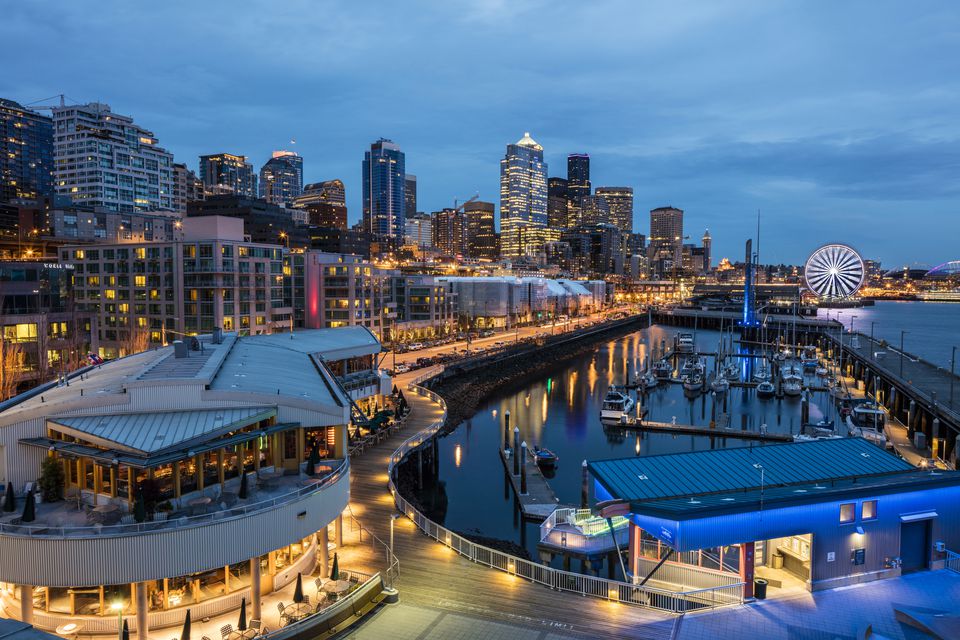
Position yourself at the edge of the pier to capture the expansive horizon and marine vessels as you prepare for your seattle whale watching tours. The backdrop features the downtown skyline alongside the open water, providing a sharp contrast for telephoto lenses.
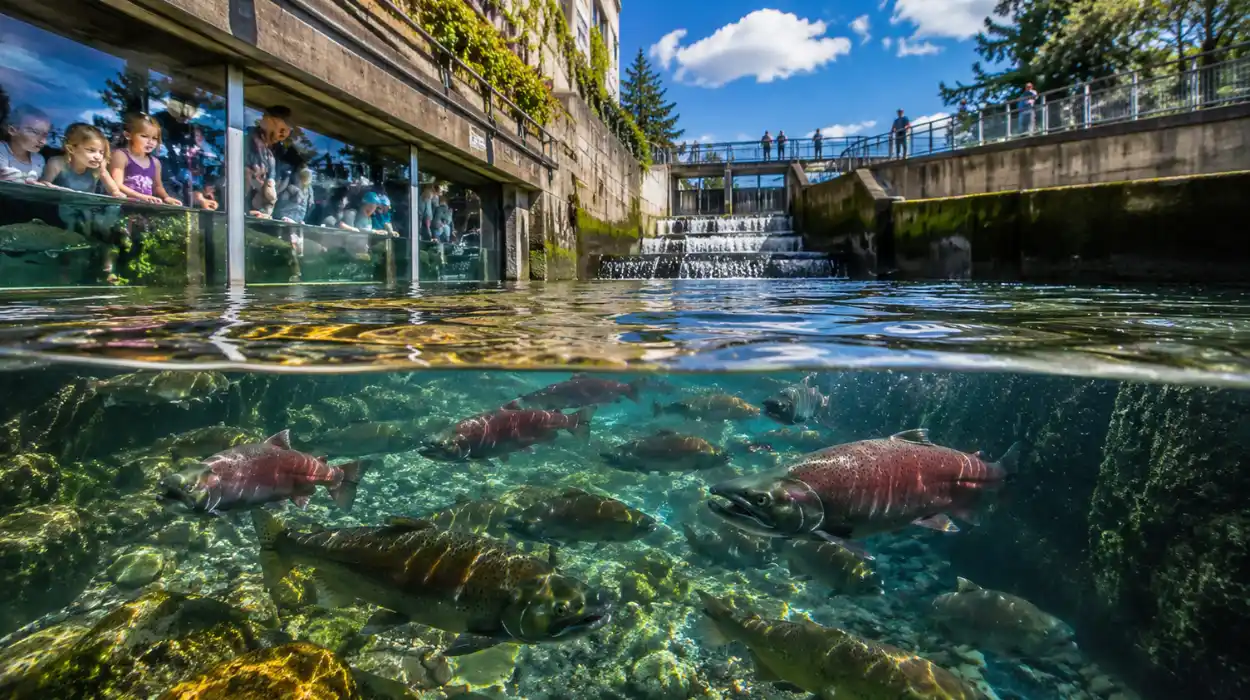
Standing on the upper viewing platforms allows for high-angle shots of the locks and the surrounding canal entrance. This is a prime location to photograph local marine life and vessels before heading out on seattle whale watching tours tours.
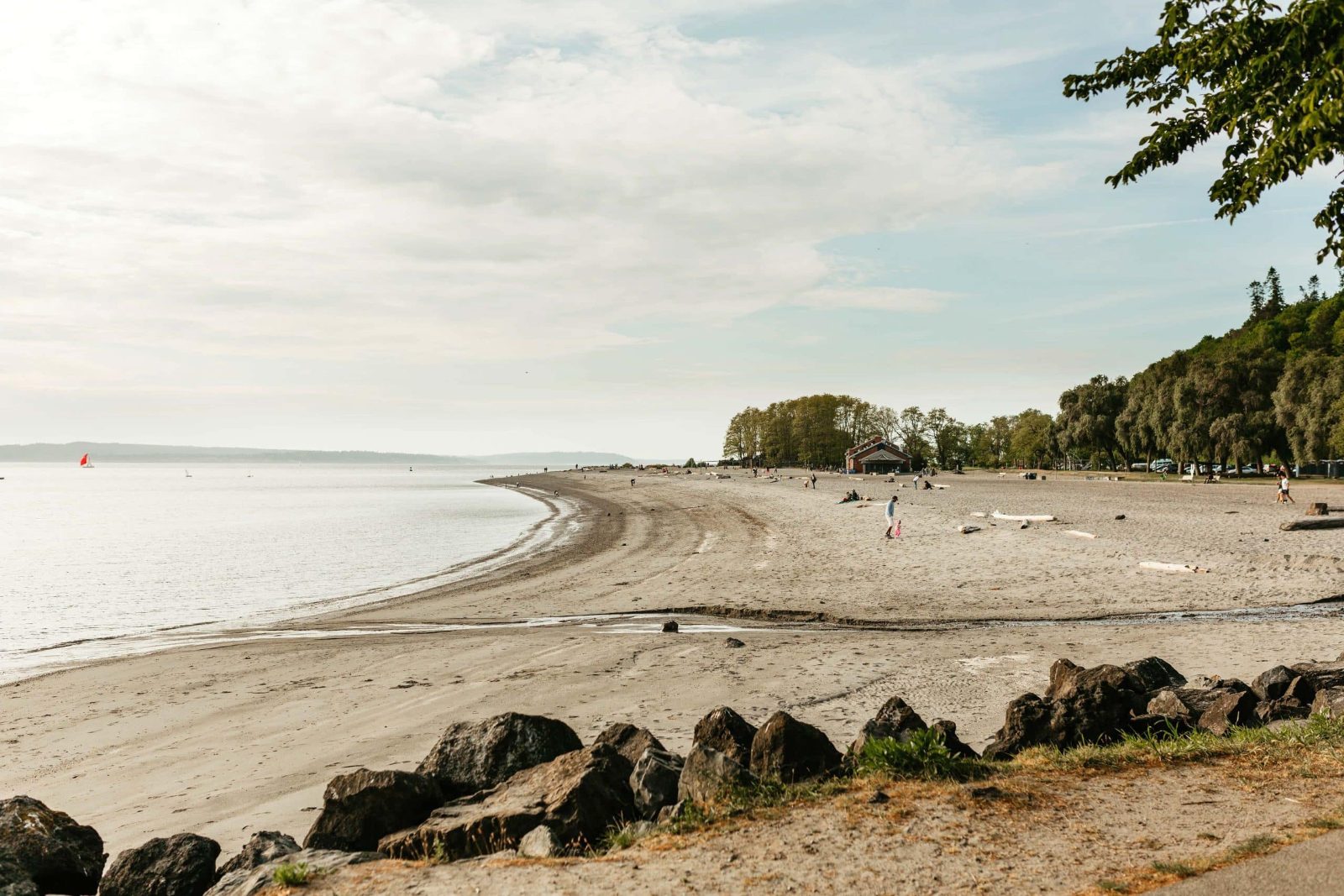
Capture the Olympic Mountains framed by the Salish Sea from this sandy shoreline vantage point. Photographers often use this spot to document the calm waters before boarding their seattle whale watching tours tour.
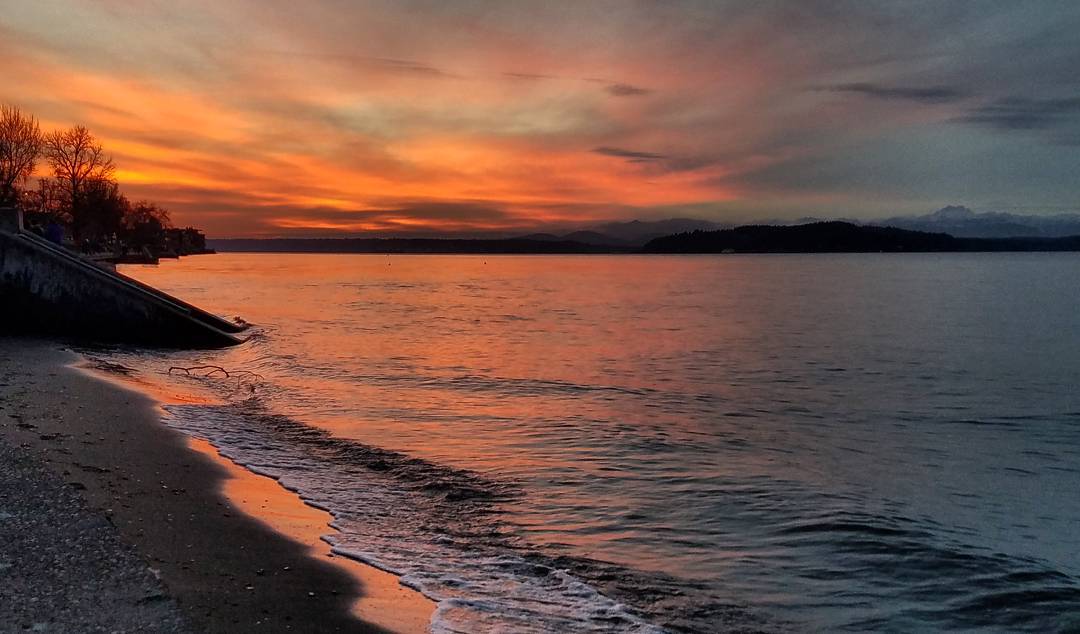
This location offers unobstructed views of the sunset over the water and frequent sightings of harbor seals near the shore. Secure your seattle whale watching tours tickets in advance to ensure you have time to visit this coastal area.
Exploring the Salish Sea with children requires careful planning to ensure young explorers remain comfortable while observing marine mammals during seattle whale watching tours. Selecting the right vessel and preparation can transform an afternoon of wildlife spotting into a smooth experience for the entire family.
Consult your pediatrician about non-drowsy motion sickness preventatives before boarding, as the open water can be unpredictable for sensitive youngsters. Choosing a larger vessel often provides more stability and indoor cabin space to help manage symptoms during these seattle whale watching tours tours
Prioritize operators that offer stable, multi-level boats with accessible viewing decks and sheltered seating, as these are better suited for families than high-speed zodiacs. Review seattle whale watching tours tickets to confirm the boat type aligns with your child's age and comfort level needs
Many providers suggest a minimum age of 5 to 7 years old due to the long duration spent on the water and the requirement to wear life jackets if requested. Always verify specific age policies directly with your chosen operator before booking your seattle whale watching tours tour
Most larger vessels include onboard restrooms, but baby-change facilities are rarely available, so plan your diapering needs accordingly before departure. Keeping a dry change of clothes in a waterproof bag is helpful for children who may get damp from sea spray
Ensure children remain seated while the boat is in motion and designate a single adult to monitor their location near the railings at all times. Educate kids on wildlife spotting etiquette to ensure a quiet environment while viewing orcas or humpbacks in their natural habitat
Visitors preparing for seattle whale watching tours will find numerous dining options along the waterfront, ranging from quick bites to sit-down meals. Most establishments are located within a short walk of the docks where your Salish Sea wildlife expedition departs.
A historic waterfront staple famous for clam chowder and fish and chips, ideal for a hearty meal before boarding your seattle whale watching tours tours. Expect lines during peak hours, though the quick-service counter moves fast.
Located right on the pier, this venue offers signature seafood feasts that are popular with groups securing seattle whale watching tours tickets. It is a lively spot that gets very busy; arriving early is advised.
This upscale choice provides panoramic marine views perfect for guests looking to relax after a seattle whale watching tours tour. Reservations are recommended for dinner service as it caters to those seeking a more formal atmosphere.
Everything you need to know for your journey
Peak season is June through September, though sightings occur year-round.
Accessibility varies; some vessels cannot accommodate wheelchairs due to Coast Guard regulations.
Many operators offer a complimentary voucher for a future trip if no whales are seen.
Pets are generally prohibited on all Seattle whale watching tours vessels.
Shore viewing is 0 USD; specific tour prices vary by operator.
Most tours welcome all ages, though some small-group tours require participants to be at least 8 years old.
Seattle whale watching tours typically range from 3 to 5 hours depending on the excursion.
Bring binoculars, warm layers, sunscreen, and a camera.
Yes, cameras are welcome, but bring a dry bag to protect them from salt spray.
Join thousands of happy travelers who have discovered this incredible experience
Book Your Experience Now