
Quick answer
The best time of year for Seattle whale watching runs from April through September, when Southern Resident orcas follow salmon runs into the Salish Sea and weather conditions produce calm waters with excellent visibility. Peak sightings occur May through September, with July and August offering the highest concentration of resident pods near the San Juan Islands and Puget Sound. Gray whales migrate through in March and April, while humpbacks appear June through October.
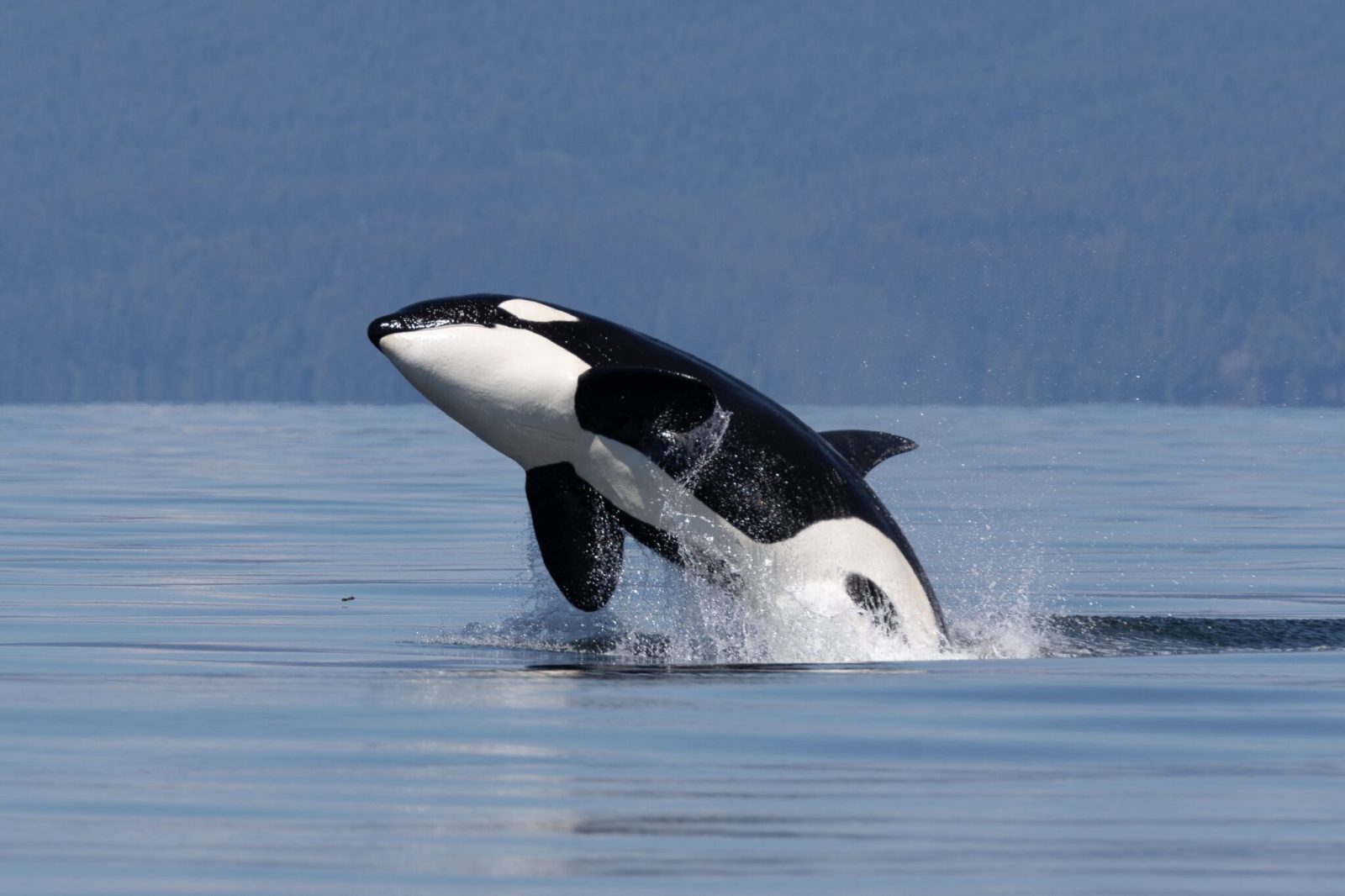
Southern Resident orcas spend winter months along the outer coast from California to Southeast Alaska, then return to inland waters each spring to hunt Chinook salmon. The three pods—J, K, and L—move through Haro Strait, Boundary Pass, and the waters west of San Juan Island with predictable frequency once Fraser River salmon runs begin in late spring. Transient orcas, which hunt marine mammals rather than fish, pass through year-round but concentrate their activity during harbor seal pupping season from May through July. Salish Sea conditions govern visibility as much as whale presence. April and May bring longer daylight and moderate seas, though morning fog can reduce sighting distances. June establishes the dry season, with stable high-pressure systems that keep waters calm through early September. This stability matters—wind-driven chop above ten knots makes it difficult to spot the low dorsal fins and blows that signal a distant pod. Operators launching from Seattle, Anacortes, and Friday Harbor report the highest success rates during this six-month window, when multiple species overlap in accessible waters. Gray whales follow a different calendar. Northbound migrants pass through Puget Sound and the Strait of Juan de Fuca from March into early May, with a small population remaining in Washington waters through summer. Humpback sightings have increased since 2010, with individuals now reliably appearing off the west side of San Juan Island and near Point No Point from June through October. Minke whales, the smallest baleen species in local waters, feed throughout the region during summer months but prove harder to track due to their solitary behavior and brief surface intervals. October through March represents the low season for Seattle whale watching tours. Resident orcas disperse to outer coastal waters, weather patterns shift to frequent storms, and reduced daylight limits departure windows. A handful of operators continue winter trips targeting transient orcas and harbor porpoises, but sighting probability drops significantly. The seasonal rhythm reflects both whale behavior and the maritime climate that defines this inland sea.
“Southern Resident orcas return to inland waters each spring to hunt Chinook salmon, with the three pods moving through Haro Strait and Boundary Pass once Fraser River runs begin in late spring.”
Seattle Whale Watching Best Time of Year: Seasonal and Daily Windows
The peak season for whale sightings in the Salish Sea spans from April through September, offering the most reliable opportunities to observe marine life. Planning your excursion during the morning hours provides the best chance for calm water conditions.
April–June
Moderate crowdsCool, 50-60°F; variable winds
Spring brings gray whales and transient orcas to the region.
July–September
High crowdsWarm, 65-75°F; calm seas
Summer offers consistent sightings of resident and transient orca pods.
Morning departures
Fewer crowds—
Early tours frequently benefit from smoother water before afternoon winds.
Verdict: For the highest probability of sightings and calm conditions, aim for a weekday morning departure between April and September.
Preparation Checklist for Seattle Whale Watching Best Time of Year
Prepare for variable marine conditions and wildlife viewing opportunities in the Salish Sea.
-
Book your tour in advance — Peak season (April–September) fills quickly with limited daily departures.
-
Bring binoculars or a zoom lens — Whales surface 50–200 yards from the boat, and magnification improves sightings.
-
Dress in warm, waterproof layers — Temperatures drop 10–15°F on the water, and spray is common.
-
Pack motion sickness medication — Swells in open water affect many passengers, even on calm days.
-
Wear non-slip, closed-toe shoes — Boat decks stay wet and shift with wave action.
-
Charge your camera and phone fully — Tours last 3–5 hours with no onboard charging stations.
Getting to the Coast for Seattle Whale Watching Best Time of Year
Whale watching tours depart from various locations across the Salish Sea, including downtown Seattle, Edmonds, and Port Townsend. The most efficient approach involves selecting your operator first, as departure points vary significantly by vessel location.
I-5 North or South to Seattle waterfront
1 Line to University Street or Westlake Station
King County Metro to downtown Seattle hubs
Washington State Ferries to regional terminals
Daily Operational Hours for Seattle Whale Watching Best Time of Year
The Salish Sea region remains accessible at all times for whale watching operations. Individual tour departures are managed by independent operators.
| Monday | 00:00–23:59 | |
|---|---|---|
| Tuesday | 00:00–23:59 | |
| Wednesday | 00:00–23:59 | |
| Thursday | 00:00–23:59 | |
| Friday | 00:00–23:59 | |
| Saturday | 00:00–23:59 | |
| Sunday | 00:00–23:59 |
Operating hours remain consistent throughout the year, though individual tour schedules vary based on seasonal whale activity.
Check availability
Frequently Asked Questions About Seattle Whale Watching
Everything you need to know about seattle whale watching best time of year